Key Takeaways
Building a performance vehicle requires careful planning and sourcing. Here are the essential considerations for your project:
- Identifying genuine vs aftermarket parts is critical for reliability.
- Local wrecking yards remain a primary source for discounted hardware.
- Thorough physical and electronic inspection prevents costly installation failures.
- Engineering compliance in NSW demands strict adherence to safety standards.
- Professional calibration is essential after swapping major mechanical components.
Understanding Skoda RS performance components
Selecting the right parts for a vehicle requires balancing factory engineering with the desire for improved output. Understanding how these systems interact is the first step toward a successful modification path.
Distinguishing between genuine and aftermarket parts
Genuine factory parts are designed to meet the exact tolerances specified by the manufacturer, ensuring seamless integration with existing systems. While aftermarket options often provide higher performance thresholds, they can sometimes introduce compatibility errors if the build quality is inferior.
Key technical specifications for RS upgrades
When modifying a vehicle’s performance characteristics, focusing on specific metrics like flow rates for intake components or heat dissipation for brake pads is necessary. A Skoda model requires components that maintain efficiency without overwhelming the factory cooling or drivetrain limits.
Cross-compatibility between Skoda RS generations
Many mechanical components share design architecture across different model years, allowing owners to source parts from slightly older variants. However, sensor mapping and electronic connections frequently update between facelifts, meaning you must verify the specific part number against your vehicle’s chassis code to confirm it will fit correctly.
Locating reputable used part suppliers in Sydney
Finding quality components involves navigating a network of salvage specialists who curate inventory specifically for European models. Establishing a relationship with these suppliers often grants earlier access to fresh arrivals before they hit the general inventory listings.
European vehicle wrecking yards in Sydney
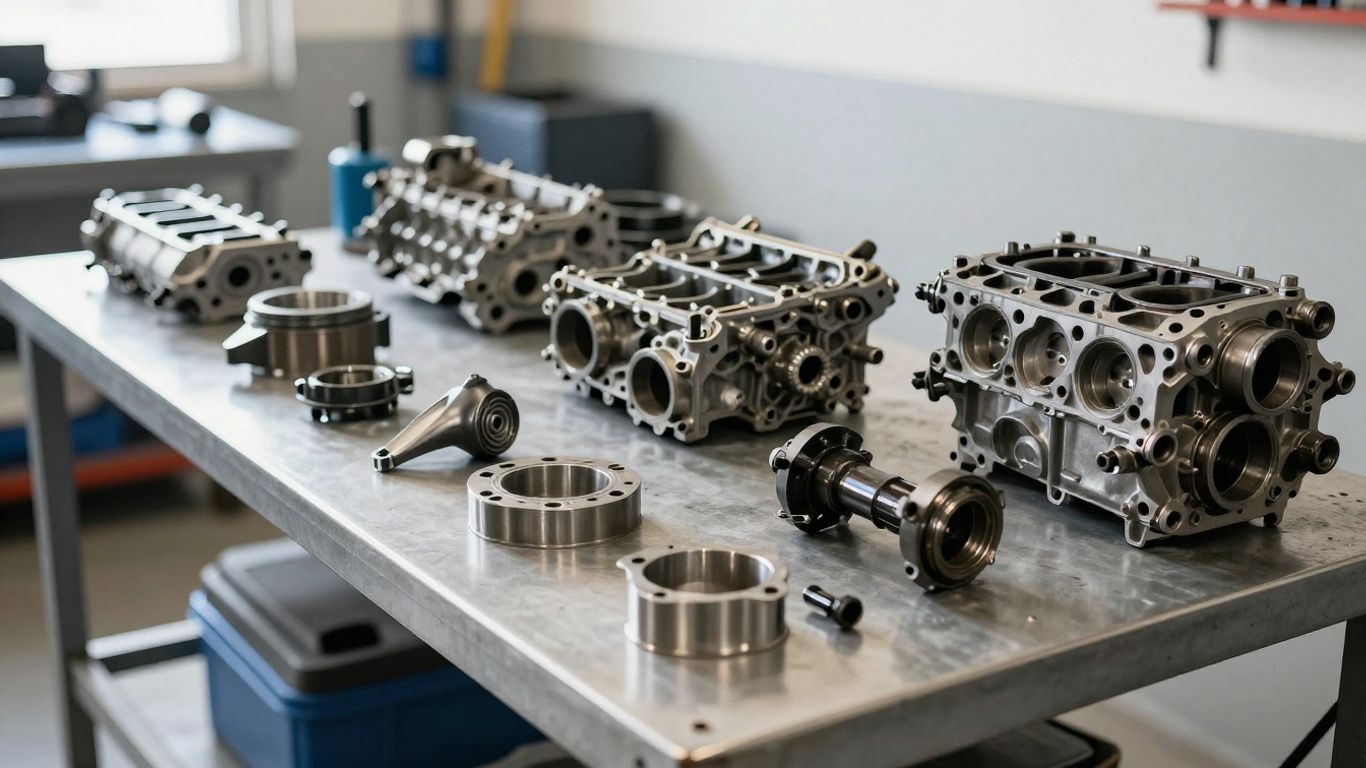
Specialist wrecking yards focus on dismantling vehicles that have reached the end of their service life yet possess functional drivetrain and interior components. These yards are the primary destination for large items like gearboxes and cylinder heads, often provided with a limited functional guarantee.
Specialized digital marketplaces for Skoda parts
Online platforms have transformed how enthusiasts track down even the most elusive hardware for their builds. Utilizing search alerts for specific model identifiers can save significant time compared to calling individual distributors throughout the week.
Leveraging local enthusiast communities and events
Local enthusiast groups frequently host car meets where owners trade advice and excess gear. These informal networks are excellent for finding well-maintained parts from people who have upgraded their own cars and have no further use for the original equipment.
Quality control for pre-owned performance components
Evaluation protocols must be rigorous when purchasing second-hand items to avoid installing a compromised unit. Thorough checks protect your project from avoidable re-work and damage later on.
Detecting structural compromise in metal parts
Physical inspections of metal components should focus on hairline fractures or signs of fatigue near mounting brackets. It is vital to inspect every surface thoroughly for signs of previous impact damage that might not be visible from a casual exterior glance.
Assessing the integrity of used electronic units
Electronic control units and sensors require a digital diagnostic check to ensure internal circuits are operating within manufacturers’ parameters. Testing these modules before mounting them ensures that communication logs between modules remain intact during operation.
Validating component provenance and service logs
Verifying the history of a used part, including the mileage of the donor vehicle, provides confidence in remaining component life. A detailed service record acts as proof that the mechanical parts have been maintained frequently according to factory schedules.
Navigating New South Wales engineering standards
Modifying a vehicle correctly involves understanding the regulatory landscape in New South Wales. Compliance ensures that your performance goals do not compromise the legal status and insurability of your car.
RMS compliance for performance modifications
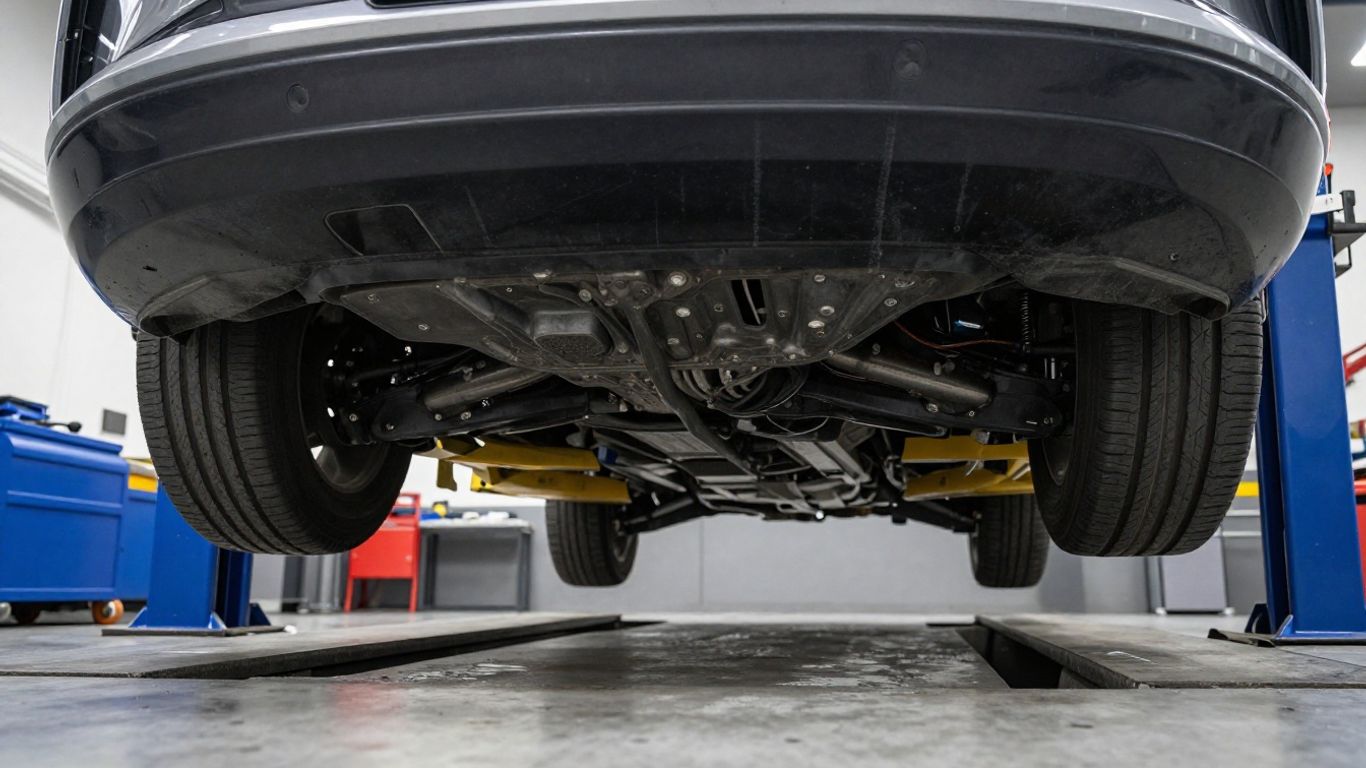
Modifications must align with the current vehicle standards to ensure they pass necessary inspections. Documenting each stage of the build helps during certification processes when verifying that the output improvements have not pushed the vehicle beyond safe operating parameters.
Managing insurance coverage for modified vehicles
Transparency with your insurance provider regarding installed upgrades is essential to maintain coverage. Disclosing every non-factory mechanical change acknowledges the increased risk profile and secures your asset in the event of an incident.
Safety certification for drivetrain upgrades
For major driveline changes, seeking professional certification confirms that the structural integrity remains sound for the increased power levels. Consider the following comparison of typical modification risks and necessary verification steps:
| Modification Type | Primary Risk | Verification Step |
|---|---|---|
| Performance Intake | Airflow turbulence | Seal inspection |
| Brake Upgrade | Caliper mismatch | Pressure testing |
| ECU Remapping | Thermal overload | Dyno logging |
These verification steps provide peace of mind by confirming that every modification functions as a cohesive system rather than an isolated change.
Workshop installation and system calibration
A professional approach to installation prevents mechanical failures born from improper assembly or skipped steps during the build process.
Partnering with Skoda-certified performance specialists
Working with mechanics experienced in the specific platform ensures that the job utilizes the correct torque settings and technical protocols. Their familiarity with the unique layout of these engines prevents common pitfalls that occur during custom installations.
Calibrating software following hardware changes
Any significant change to airflow or exhaust requires a software adjustment to ensure the engine management system recognizes the new parameters. Failure to recalibrate often results in poor throttle response or inefficient fuel consumption despite having high-quality hardware installed.
Dyno testing and performance benchmarking
Utilizing a dynamometer provides objective data on how the newly installed components perform under high-load conditions compared to the original factory output.
This benchmarking provides tangible feedback, allowing you to fine-tune the build until it hits the target performance goals safely.
Strategic planning for your Skoda RS build
Approaching your car as a long-term project allows for gradual improvements that maintain reliability while increasing excitement. Spacing out your upgrades helps you understand the impact of each part on the driving experience.
Calculating the cost versus benefit of used parts
Careful budgeting involves checking the price of a used component against the remaining service life it offers. Sometimes, paying a slight premium for a lower-mileage part is more economical than sourcing a cheaper unit that requires replacement sooner.
Prioritizing critical performance upgrades
Focus on improvements that enhance safety and handling before pushing for higher speed. A well-sorted suspension and braking system significantly improves the driving quality, making the vehicle more capable on both daily commutes and spirited drives.
Long-term maintenance strategies for older components
Older parts require a more frequent service interval than brand new alternatives to ensure they stay within optimal operating ranges. Keeping a dedicated log of when each used part was installed and its current health status simplifies the repair process and prevents cascading failures throughout the drivetrain.
Conclusion
Successfully sourcing Used Skoda RS performance parts Sydney requires diligent research and a focus on quality. By prioritizing compatible components and professional installation, you ensure your car remains a reliable performer while achieving the desired upgrades for your personal driving style.