Key Takeaways
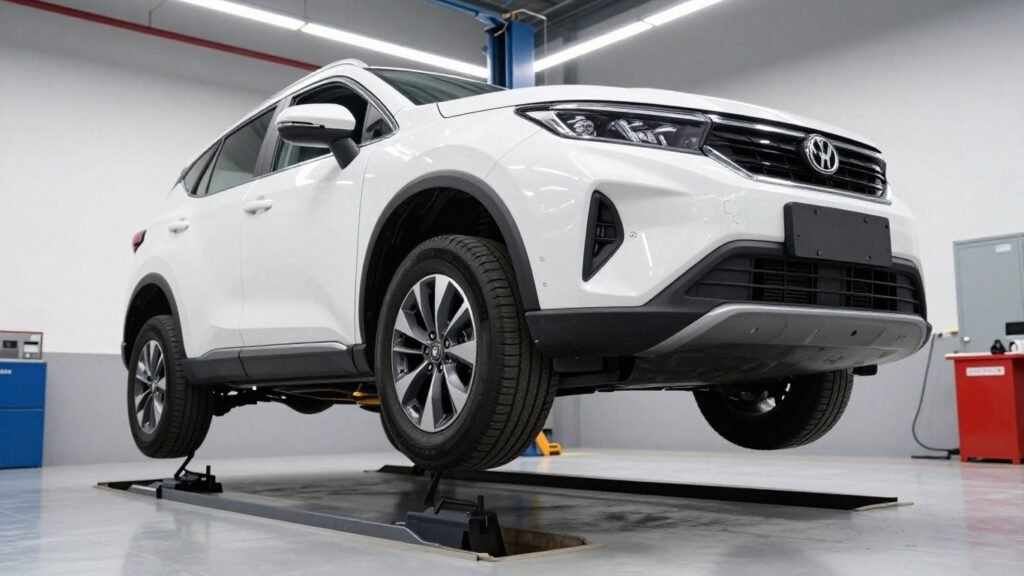
Identifying the correct drivetrain components is essential for maintaining your vehicle’s performance over its lifespan. Recycled parts offer a sustainable and cost-effective alternative to expensive dealership components. Local Sunshine Coast recyclers often provide access to genuine parts that match your vehicle specifications. A thorough physical inspection of used differentials and axles is non-negotiable to ensure long-term, reliable operation. Always prioritize professional installation to confirm that your drivetrain remains balanced, safe, and fully functional following any repair work.
Understanding Skoda Yeti drivetrain components
The Skoda Yeti utilizes a sophisticated drivetrain intended to distribute power effectively across various surfaces. These systems rely on precision-engineered differentials and robust axle assemblies to maintain traction under different driving demands. Regularly monitoring these parts helps ensure that your vehicle handles predictably during daily commutes or longer excursions.
Common signs of failing differentials
Differential failure typically presents through audible cues that change depending on your vehicle’s speed and load. You might notice a persistent whining or clunking sound originating from underneath the chassis when accelerating or lifting off the throttle. Vibration felt through the cabin or steering wheel during cornering often serves as an early warning that internal gears are experiencing abnormal friction due to degraded lubrication or wear.
Difference between front and rear axle setups
Front axles in the Skoda Yeti incorporate constant velocity joints to channel power to the steering wheels while allowing for suspension travel. In contrast, rear axles on all-wheel-drive variants handle power transfer to the back wheels, which often requires a different structural configuration to manage torque. Understanding these physical distinctions ensures you select the correct replacement parts for your specific drivetrain layout.
Compatibility issues across Yeti production years
Not all drivetrain components are interchangeable between different manufacturing years, as engineering specifications often evolve. Variations in gear ratios or mounting hardware can prevent a direct fit between older and newer models. Verifying your VIN against the part serial number prevents the common frustration of receiving a component that is nearly right but ultimately incompatible.
Benefits of choosing used parts for your Skoda Yeti
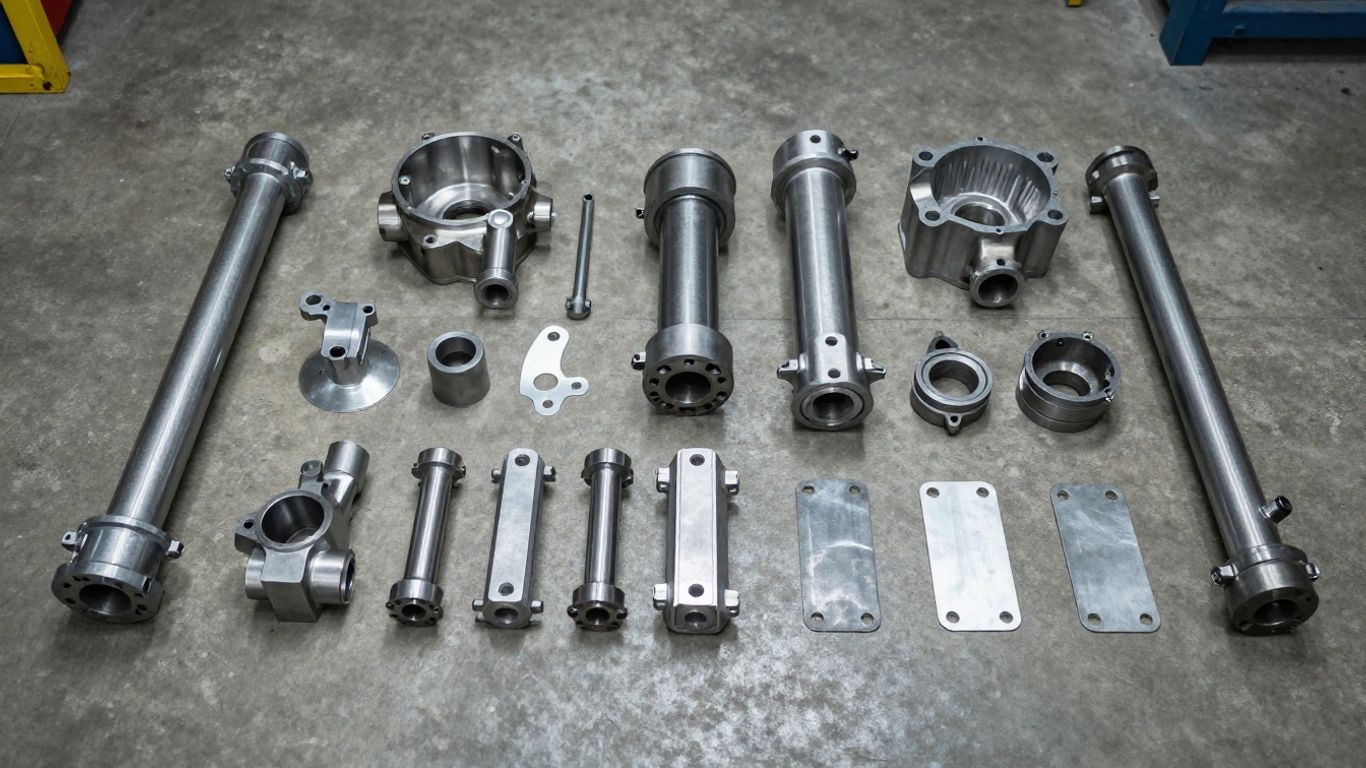
Selecting recycled components provides a practical route for owners looking to manage their vehicle maintenance budget. These parts are salvaged from retired vehicles, offering a secondary life for functional steel and aluminum components that remain in excellent condition. Opting for this approach makes it easier to keep your car operational without the burden of high-cost new retail prices.
Cost-effectiveness compared to dealership prices
Dealer-supplied components often carry significant premiums due to manufacturing, distribution, and branding markups. Sourcing the same part from a recycled inventory allows for substantial savings, which can be redirected toward other necessary vehicle upkeep or service intervals. This financial flexibility allows owners to perform high-quality repairs that would otherwise become prohibitively expensive.
Environmental impact of automotive recycling
Automotive recycling reduces the strain on raw material mining and manufacturing energy requirements significantly. By reusing functional axles and differentials, you participate in a circular economy that keeps usable metal out of landfills. The energy footprint of preparing a salvaged part is a fraction of what is required to forge and machine a brand-new mechanical assembly from scratch.
Availability of genuine OEM parts
Used wreckers and automotive recyclers frequently stock genuine OEM components that match the factory specifications perfectly. Accessing these parts ensures you are fitting your Skoda Yeti with components designed by the original engineers for your specific chassis. Use the following breakdown to understand the savings typically seen when opting for used over new:
| Part Component | Average Dealer Cost | Used Market Estimate |
|---|---|---|
| Rear Axle Assembly | $1,200 | $450 |
| Front Differential | $950 | $380 |
| CV Joint Kit | $400 | $150 |
Selecting OEM parts helps maintain the original handling characteristics and build quality that define your driving experience. By choosing authentic recycled parts, you avoid the potential fitment issues associated with generic, third-party aftermarket alternatives.
Locating auto recyclers on the Sunshine Coast
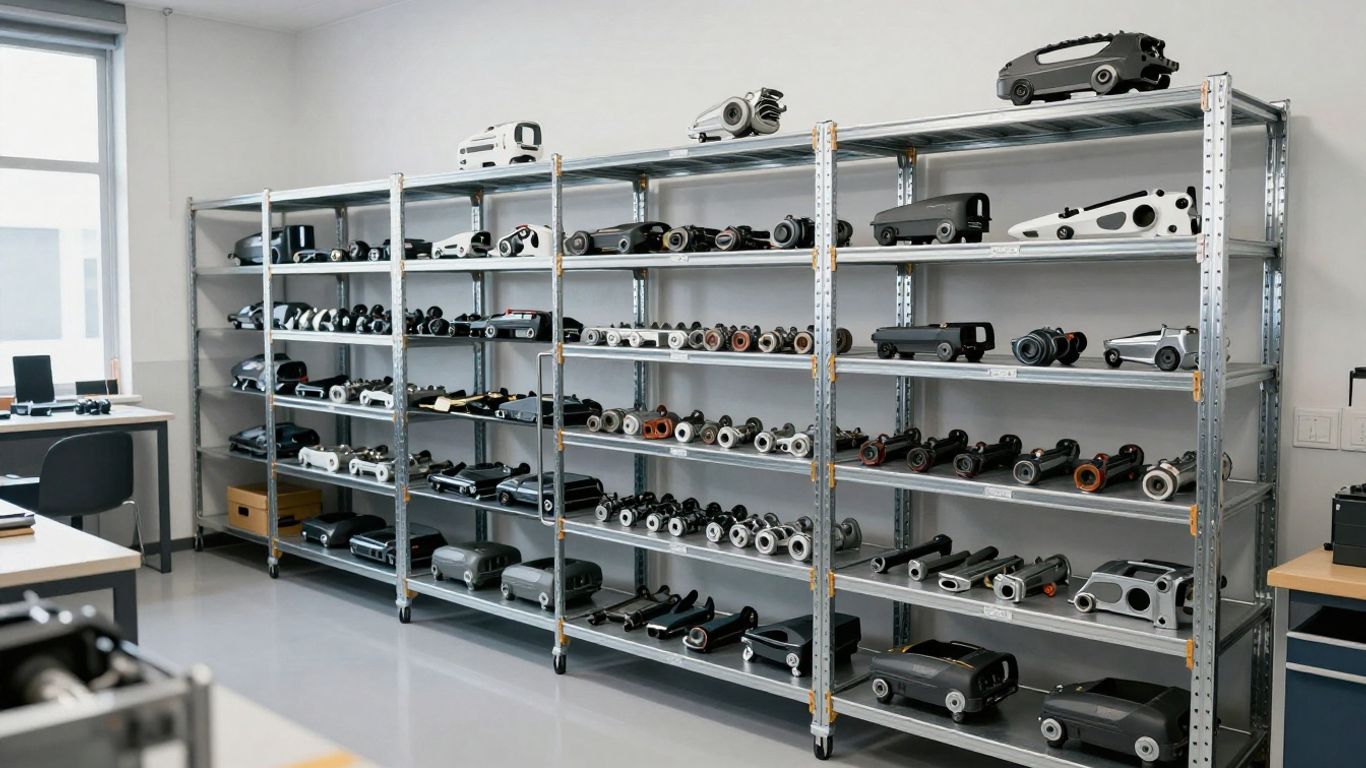
Finding a reliable source for Used Skoda Yeti differentials and axles Sunshine Coast based inventory requires a focused approach to local networking. You want to connect with businesses that specialize in European imports to increase the likelihood of finding the specific parts you need. Start your search by targeting wreckers known for handling high volumes of popular international car brands.
Using local classifieds and online directories
Regional online directories and classified advertising platforms are excellent tools for scanning current inventory without leaving your home. Many recyclers maintain active listings, allowing you to filter by specific makes and years. Check these platforms daily, as desirable parts tend to move quickly due to high demand among local enthusiast communities.
Visiting specialized European car wreckers
European car wreckers are much more likely to have the precise parts associated with your drivetrain compared to general salvage centers. These specialists often have staff who understand the specific mechanical needs of your brand and can confirm part numbers more accurately. A visit in person also grants you the chance to see the condition of the inventory firsthand.
Verifying the reputation of local suppliers
Before finalizing a purchase, take a moment to look into the supplier’s history of client satisfaction. Businesses with a solid local presence are generally more willing to offer warranties or exchanges on mechanical items. As is often noted in professional automotive circles:
A reputable recycler will always demonstrate transparency regarding the donor vehicle’s history, mileage, and condition of the salvaged part before payment occurs.
Building a rapport with a reliable supplier streamlines your current project and creates a valuable contact for any future mechanical needs. Don’t hesitate to ask for clear photos of the part removed from the vehicle if you cannot inspect it on-site.
Inspecting used differentials and axles before purchase
Conducting a detailed inspection is the final safeguard against installing a unit that is already nearing its operational limit. Even if a part looks clean on the outside, internal functionality depends on the state of its seals and gear teeth. Approaching this task systematically ensures you get the most life out of your chosen component.
Checking for fluid leaks and seal integrity
Look closely around all seals and connection points for evidence of weeping or fluid accumulation. Dried, cracked, or excessively oily seals indicate that the component may have been operating under stress or has sat stagnant for too long. A well-maintained part should show minimal residue and feel dry to the touch across all joints.
Assessing gear wear and play in joints
Rotate input shafts by hand while observing how the axle shafts move to check for excessive internal movement. Any clicking, binding, or grinding noises during these manual rotations are red flags that internal damage has likely occurred. Firm, smooth resistance throughout the rotation is the ideal state for a salvaged differential.
Requesting service history or mileage documentation
Ask the salvage yard for details regarding the donor vehicle’s total travel distance. While mileage is not the only indicator of health, a low-mileage unit extracted from a well-kept vehicle is a significantly safer bet. Documenting the provenance of your part allows you to keep accurate records for your own vehicle maintenance log.
Installation and maintenance tips for Skoda Yeti parts
Installing drivetrain components requires specialized tools and a solid understanding of vehicle geometry. Whether you decide to tackle the job yourself or hire a professional, ensure you strictly adhere to the manufacturer’s torque specifications. Proper installation is the key to achieving a stable and quiet ride during every driving cycle.
Professional fitment versus DIY risks
While DIY repair is tempting, drivetrain work involves heavy components and critical alignments that affect overall vehicle safety. Mistakes in fitment can lead to catastrophic failure while driving or premature wear on other expensive parts. Professional fitment provides peace of mind that all components are correctly seated and verified for performance.
Recommended fluids for Yeti drivetrain systems
Using the factory-approved fluid is essential, as the internal friction modifiers are specifically formulated for your drivetrain’s gear materials. Incorrect lubricants can accelerate oxidation and heat accumulation inside the differential case. Always verify the viscosity and standard requirements listed in your owner’s manual before starting the refill process.
Post-installation testing and performance monitoring
Once the components are in place, start with low-speed driving and listen for any unusual noises or new vibrations. Closely monitor the temperature of the area after a short trip to ensure everything is operating at normal levels. Consistent performance monitoring during the first few hundred kilometers confirms that the part has seated correctly and is ready for regular use.
Conclusion
Successfully sourcing and installing used drivetrain components requires a blend of careful planning and diligent inspection. By focusing on reliable Sunshine Coast suppliers and prioritizing the quality of your parts, you can effectively maintain your car’s performance without the high costs associated with new dealership inventory. Following the correct installation procedures and keeping up with fluid maintenance ensures these components provide many reliable kilometers for your vehicle.