Key Takeaways
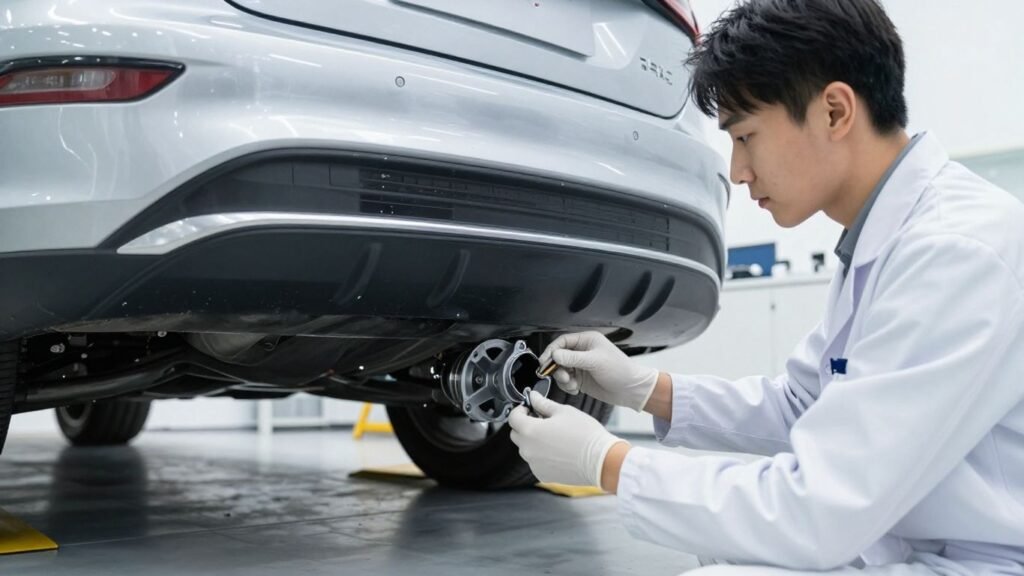
Finding a suitable replacement transmission for your vehicle involves understanding model compatibility and verifying the internal condition of used hardware. Following the right steps ensures your car returns to the road efficiently without unnecessary setbacks.
- Accurate model code identification prevents costly purchase errors.
- Local Melbourne wreckers offer inspected and documented components.
- Visual inspections confirm fluid integrity and identify potential leaks.
- Professional coding ensures seamless integration with your existing ECU.
- Written warranties provide security against unforeseen mechanical failure.
Understanding Skoda transmission compatibility
Navigating the technical specifications of your vehicle is the first step toward a successful repair. Many owners overlook the nuances of drivetrain requirements, leading to poor performance or total system failure when parts do not align.
Identifying your specific transmission model code
Locating your specific transmission model code usually requires checking the vehicle build sticker located in the trunk or under the floor mat. This alphanumeric sequence is essential because manufacturers frequently update hardware configurations throughout a model’s lifecycle and production runs.
Matching gearboxes to engine variants
Even when two cars look similar, the engine and gearbox pairings often differ based on the specific power output or model generation. Installing the incorrect variant can lead to mounting issues or communication errors that render the diagnostic tools ineffective during setup.
The importance of compatible ECU software
Your transmission operates in tandem with the engine control unit to determine shift points and torque delivery. Retrofitting a replacement gearbox requires verifying that the internal electronics communicate correctly, often necessitating a firmware match to ensure the unit functions as intended by the factory.
DSG versus manual transmission nuances
Drivers often struggle with the complexity of Direct Shift Gearbox (DSG) systems compared to traditional manual options. While manual gearboxes operate on a simpler mechanical basis, the DSG utilizes dual-clutch technology that demands precise computer adaptation and transmission coding for optimal engagement during daily driving.
Where to find reliable Skoda parts in Melbourne
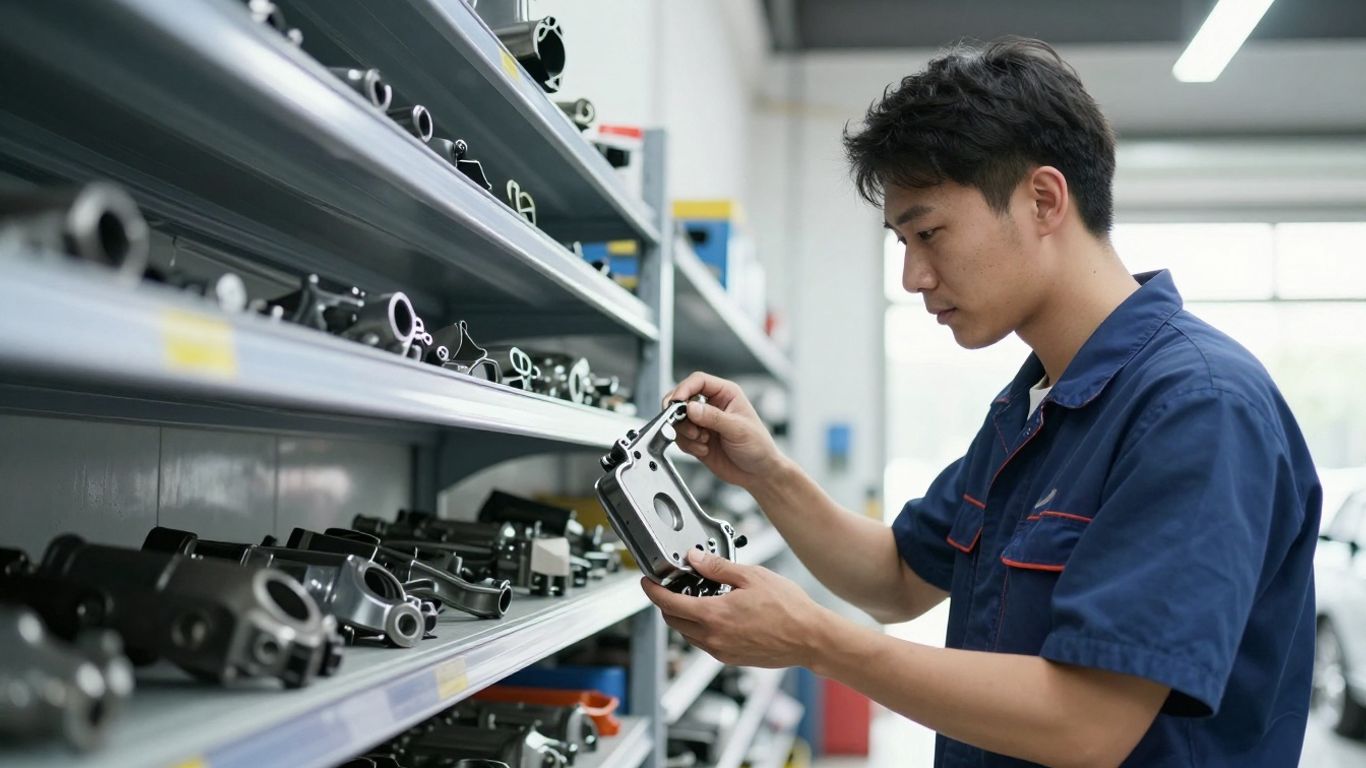
Locating quality components requires a shift toward professional channels rather than generic online listings. Melbourne hosts a variety of specialized networks that prioritize testing and documentation to serve local drivers and workshop technicians.
Certified automotive wreckers in the Melbourne region
Certified wreckers focus on dismantling vehicles professionally, ensuring that internal mechanical components remain preserved and documented. By selecting a facility that specializes in European imports, you ensure that the salvaged transmissions have been handled according to industry standards for long-term reliability.
Navigating online marketplaces for recycled car parts
Online platforms provide broader access to inventory, though searching requires sorting through various seller types. Comparing the reliability of these sources is vital for managing your expectations regarding part life.
| Source Type | Verification Level | Reliability Rating |
|---|---|---|
| Certified Wrecker | High | Excellent |
| Private Marketplace | Low | Variable |
| Salvage Network | Medium | Consistent |
Using these platforms allows you to cast a wider net when specific model codes become difficult to locate locally. Always verify the source credentials before committing to a purchase to avoid receiving components with undocumented or hidden past damage.
Working with specialized local Skoda mechanics
Engaging a mechanic who focuses specifically on the brand can streamline the entire sourcing process. These professionals often maintain relationships with reputable suppliers, ensuring that the part you receive meets the necessary quality requirements for your specific automotive application.
Checking inventory via Australian salvage networks
Large-scale salvage databases across the country connect local workshops to parts that might not be visible to the general public. This network allows for the efficient transit of tested gearboxes to your local Melbourne workshop, avoiding delays in completing necessary maintenance.
Evaluating the condition of second hand gearboxes
Assessing the health of a transmission before it leaves the donor vehicle provides peace of mind. A simple walk-through of the documentation and a physical examination can reveal much about whether the unit has been maintained or neglected over its operational lifespan.
Interpreting mileage and service history records
High mileage does not always disqualify a gearbox, provided the service intervals were adhered to by the previous owner. Inspecting service logs indicates if the fluid was replaced regularly, a practice that directly impacts the longevity of internal clutch packs and gear sets.
Performing visual inspections for fluid leaks
Seals and gaskets frequently deteriorate over time, leading to fluid seepage that manifests at the base of the housing. A dry exterior suggests that the unit remained properly sealed, whereas heavy grease or wet patches near the input shaft often indicate internal pressure issues.
Testing electronic sensors and wiring looms
Electronic components often fail before the mechanical gears themselves have the chance to wear down.
Examining the condition of the exterior plugs and sensors helps determine if the transmission suffered from exposure to moisture or heat. If the wiring appears brittle or the pins have signs of oxidation, the transmission will likely struggle to communicate correctly with the onboard computer systems upon installation.
Identifying red flags indicating internal mechanical wear
Noise and metallic residue are clear indicators that the internal mechanisms have reached their limit. Checking the underside of the transmission for metal filings around the drain plug or unusual scraping sounds when rotating the input shaft can prevent you from installing a unit that requires an immediate rebuild.
Cost factors and budget management
Budgeting for a transmission replacement involves balancing the initial purchase price with ongoing labor and potential future service costs. Understanding how these financial components interact helps you avoid overspending on items that do not provide long-term utility.
Price variations based on transmission type
Complexity drives the price tag, with DSG models typically commanding higher costs than traditional manual gearboxes. These variations reflect the specialized engineering and diagnostic needs inherent in maintaining modern dual-clutch systems compared to simpler, older platforms.
Balancing part cost against installation labor charges
Cheap parts often arrive with higher installation risks, which can quickly consume your maintenance budget if the mechanic encounters fitment issues. Prioritizing a reputable supplier often justifies a slightly higher purchase price by reducing the hours required for troubleshooting and adjustments.
Managing hidden expenses in sourcing used components
Freight charges, fluid replacements, and new filter kits constitute necessary expenses often forgotten during the initial research phase. Factoring these secondary costs into your total budget prevents the common frustration of being forced to compromise on safety items like seals and gaskets.
Calculating the value of warranty-backed recycled parts
Investing in a gearbox that includes a written assurance of quality provides a safety net against the risks of second-hand hardware. While it may require a higher upfront investment, this security protects your vehicle from the immediate costs of a second replacement if the initial unit arrives with an unforeseen defect.
Professional installation and post-purchase steps
Installation requires more than just mechanical aptitude; it requires precise software interaction. A successful transition occurs when the physical mounting is followed by the necessary digital communications that sync the transmission hardware with your car’s control unit.
Choosing a mechanic with specific Skoda expertise
Generalist repair shops may lack the specialized diagnostic software required to reset transmission learning tables. Choosing a technician who works consistently with the manufacturer’s systems ensures your new component functions in harmony with your vehicle’s specific logic and torque configurations.
The role of computer adaptation and transmission coding
Modern automotive gearboxes retain data about clutch wear and valve body pressure that must be neutralized after installation. Successful coding replaces old adaptation values, allowing the control computer to learn your driving patterns based on the performance of the new hardware.
Necessary fluid exchanges and new filter requirements
Even on a tested unit, replacing the internal fluid and filters ensures that your gearbox starts its new life clean. Fresh fluid prevents the accumulation of contaminants from previous use and provides the optimal viscosity for smooth shifting under various engine loads.
Conducting road tests and final quality assurance checks
Once the fluid is filled and the software coded, a thorough road test confirms that the gearbox engages all gears smoothly. Checking for odd shifts or delays during acceleration helps detect subtle calibration issues before the car leaves the garage for daily use.
Protecting your investment with warranties
Documentation is your primary defense when dealing with second-hand components. A clear agreement regarding what is covered and for how long ensures that both parties understand their roles should a problem arise after the installation is complete.
Understanding dealer versus private seller terms
Registered dealers operate under clear consumer protections that private sellers do not provide. Recognizing the difference in policy is critical, as a dealer-provided warranty offers a defined path for resolution that is absent when purchasing a part from an unknown individual.
What to look for in a written parts warranty
An effective warranty clearly states the timeframe and the specific mechanical conditions it covers. Be wary of vague language; instead, ensure the document explicitly includes failure of internal components while excluding damage caused by improper installation or external neglect.
Documenting installation for compliance purposes
Most suppliers require proof that a qualified professional performed the installation of the gearbox. Maintaining invoices and service logs serves as your audit trail, proving that the component was treated with care and that all necessary fluid changes or software updates were performed according to service guidelines.
Procedures for dealing with faulty components after purchase
If you believe your replacement part is underperforming, initiate contact with the supplier immediately rather than attempting DIY fixes. Providing the seller with diagnostic codes from your mechanic often accelerates the claim process, as it removes ambiguity regarding the source of the mechanical issue.
Conclusion
Successfully replacing a transmission in your vehicle involves careful part selection, proper mechanical integration, and a focus on long-term maintainability. By utilizing professional networks and ensuring that your gearbox is correctly coded to the engine, you secure a reliable repair that keeps your car operating smoothly across Melbourne’s roads for years to come.