
Key Takeaways
- OEM parts provide factory-matched performance and durability for your vehicle.
- Checking for compatibility issues prevents expensive errors during engine installation.
- Local Parramatta sourcing offers faster logistics and easier physical inspections of components.
- Verifying internal condition through testing helps ensure you purchase a reliable unit.
- Understanding warranty terms is critical for long-term protection of your investment.
Understanding the importance of genuine Skoda engine parts
Maintaining the structural integrity of your vehicle requires an understanding of how internal components interact. Choosing factory-spec parts ensures that the power delivery and fuel efficiency remain within the original design parameters of the manufacturer. When searching for Genuine used Skoda engines for sale Parramatta residents often overlook the subtle differences in electronic synchronization that occur when off-brand components are introduced to the engine bay.
OEM versus aftermarket performance
Genuine engine components are designed to meet the exact tolerances established during the factory assembly process. These parts maintain optimal combustion cycles that keep the vehicle running as smoothly as the day it left the showroom. While alternative options might offer a lower initial price, they rarely replicate the precise metallurgical composition required for heavy-duty operation.
Avoiding common vehicle compatibility issues
Software integration plays a major role in modern automotive health. A replacement engine must be precisely calibrated to communicate with the existing vehicle control modules to avoid triggering persistent warning lights or limp modes. Using components intended for specific model series ensures that sensors and internal software handlers remain perfectly aligned during every drive cycle.
Long-term reliability benefits for your Skoda
When you prioritize original parts, the engine components work in a unified system as tested by the manufacturer. This structural consistency preserves the longevity of secondary components such as the transmission and cooling assemblies. Investing in verified components helps avoid the chain reaction of failures often caused by ill-fitting aftermarket alternatives.
Where to find reliable Skoda engines in the Parramatta area
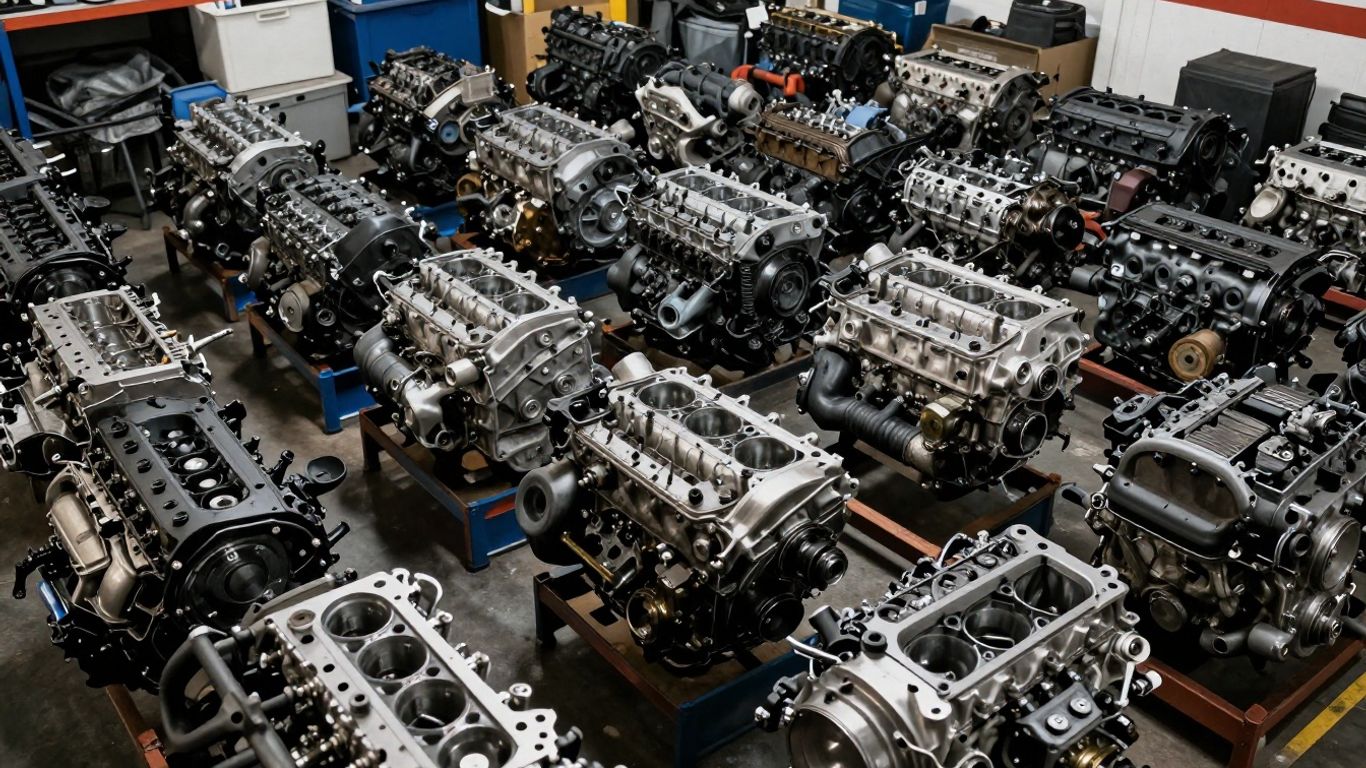
Navigating the local market requires identifying sources that value engine health over simple volume. Parramatta serves as a central hub for various automotive recyclers and specialized suppliers who maintain significant stock. Engaging with dealers who have a verifiable history of processing European models ensures you are dealing with professionals who understand specific mechanical requirements.
Local authorized wrecking yards and salvage specialists
Specialized salvage facilities frequently stock high-quality units recovered from vehicles that have suffered non-mechanical damage. These yards often keep records of the vehicle’s history, allowing you to trace the engine back to its original documentation. Working with such specialists can provide a more transparent view of what you are actually buying.
Reputable independent auto parts suppliers
Independent parts retailers often curate their inventory to support popular European brands. They provide the benefit of specialized knowledge and can often answer specific questions regarding compatibility with local Australian trim levels. Buying through a dedicated parts specialist is a great way to access stock that has already been vetted for quality and immediate usability.
Inspecting yard credibility and inventory turnover
| Facility Type | Inspection Access | Typical Warranty | Reputation |
|---|---|---|---|
| Salvage Yard | High | Limited | Industry Proven |
| Parts Broker | Medium | Flexible | Vendor Driven |
| Online Auction | Low | Minimal | High Risk |
You should always prioritize yards that show high turnover rates as this indicates they are regularly moving tested, functioning units. It is wise to visit the facility in person to see how engines are stored, as motors kept indoors are typically protected from corrosive environmental factors found in outdoor storage yards.
Essential inspection steps before purchasing a used engine
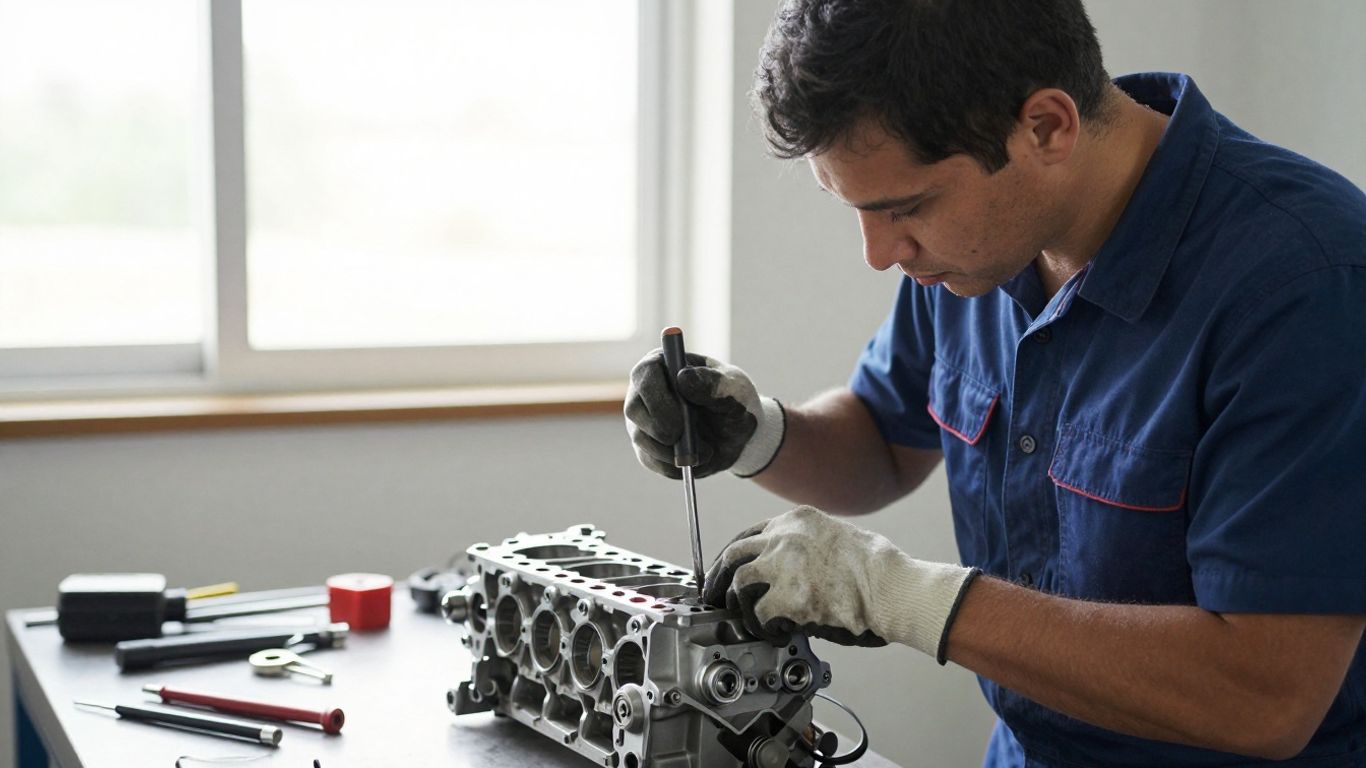
Performing a hands-on assessment is the most effective way to judge the condition of a potential purchase. You must physically inspect the unit for any irregular deposits or leaks that could indicate internal distress before any money changes hands. Verifying the physical state of the block allows you to make an informed decision based on actual condition rather than just seller descriptions.
Verifying engine history, maintenance logs, and reported mileage
Detailed maintenance logs are the primary indicators of your future engine performance. Look for consistency in oil change intervals and evidence that the manufacturer’s recommended cooling system services were performed on schedule. Records that align with the odometer reading provide the best assurance that the mechanical wear is within expected limits.
Analyzing compression test and oil pressure results
Reliable sellers will often provide data from bench tests conducted upon removal. Examining these numbers tells you whether the cylinder integrity is sound, which is the most critical metric for determining overall engine health. If the numbers are not supplied, request that a compression test be run so you have the data needed to verify the unit before installation.
Identifying external signs of damage or poor maintenance
Visual checks go far beyond just looking at the block surface for rust or impact damage. Examining the condition of the intake ports and looking for sludge build-up under the valve covers can reveal a history of neglect. Even if the outside appears clean, signs of dried, cracked wiring harnesses or corroded coolant ports can signal that the engine has been sitting poorly for too long.
Evaluating warranty protections and quality labels
A clear warranty acts as an insurance policy for your mechanical components, ensuring you are not stuck with the cost of unforeseen internal defects or unexpected failures during initial startup.
Understanding the limitations of protection is critical, as engines are complex units with many moving parts prone to wear. Knowing whether your coverage is limited to a startup period or extends to comprehensive performance ensures expectations remain realistic. It is best to confirm which specific components are covered, such as the cylinder head, block, or rotating assembly.
Distinguishing between startup warranties and comprehensive coverage
Startup warranties typically give you a few days to verify basic operation upon installation, while comprehensive plans often cover labor and internal component failures for a set distance. Knowing the exact scope of your protection prevents disputes if the engine requires future adjustments, which is standard when installing a pre-owned block.
Understanding industry-standard part grading systems
Grading systems categorize engines by their mileage, physical condition, and performance during initial testing. These labels allow you to quickly filter inventory to find options that align with your budget and build requirements. Standardized grading brings consistency to the market, helping buyers choose engines that match their long-term project expectations.
Documenting technical specifications to support warranty claims
Always maintain a detailed record of the engine’s identification number and the install date provided by your mechanic. Proper documentation acts as your primary evidence, which is essential if you ever need to process a warranty claim. Having these documents ready makes the entire interaction much smoother if an issue arises with the equipment during the coverage window.
Logistics of delivery and installation for Parramatta residents
Moving large automotive components across urban areas requires coordinated effort and the right handling equipment. Parramatta local mechanics appreciate receiving engines that are prepped or at least organized, which reduces the time and cost required for professional fitting. Getting the engine from the supplier to the lift requires safe transport to prevent damage during the transition.
Coordinating professional engine fitting with local mechanics
Select a workshop that has specific experience working on European engine architectures to guarantee the best results. Professional installers will ensure that all fluid lines are flushed and that any seals worn during storage are replaced prior to final installation. This level of professional attention ensures the engine starts cleanly and avoids early-life maintenance issues.
Managing freight and delivery for large automotive components
Freight for an engine requires industrial-grade pallets and secure strapping to hold the heavy unit stable during transit. When ordering from nearby suppliers, you can often arrange for specialized haulers that provide door-to-door delivery. Confirming that the delivery truck has a lift gate is essential if your receiving workshop does not have a loading dock available on-site.
Ensuring engine compatibility with existing transmission and ECU systems
Final installation requires confirming that the immobilizer and ECU handshake is functional. Ensuring the transmission bell housing and mounting points match perfectly with the engine block is a final check for safety. When the components align properly, the vehicle operates as intended, restoring the full capability and feel of your original driving experience.
Conclusion
Securing a reliable engine for your vehicle involves careful sourcing, thorough physical inspection, and clear communication with professional installers. By adhering to these steps in the Parramatta area, you can successfully replace your power unit while maintaining the standards expected of a high-quality driving machine. Your diligence in checking part history and warranty terms will ultimately secure the future reliability and value of your Skoda for years to come.