Key Takeaways
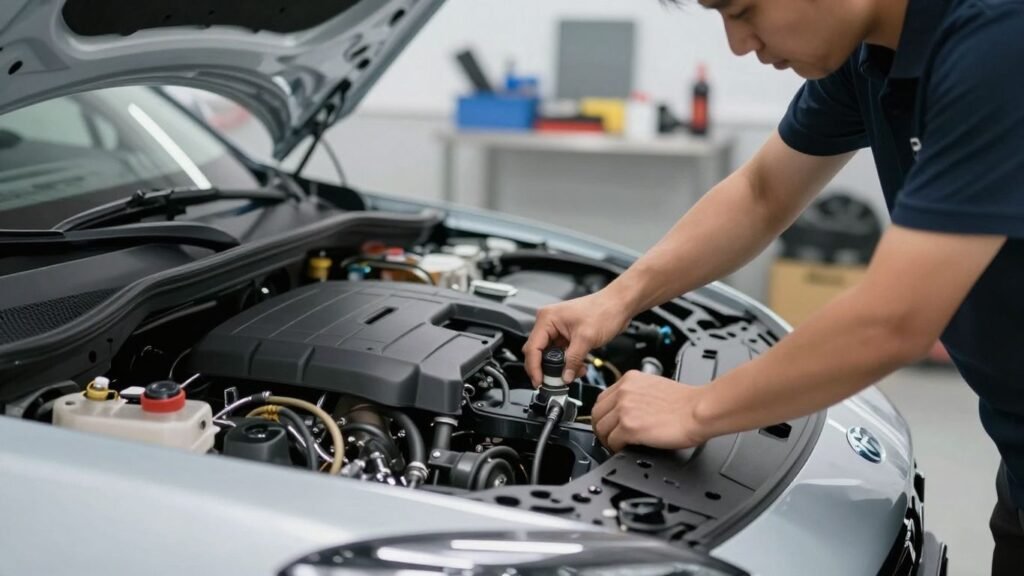
Finding the right used components ensures your vehicle remains reliable without excessive spending. Understanding the market landscape is essential for success.
- Prioritize salvage experts who specialize in European makes to ensure compatibility.
- Always verify the donor vehicle history before committing to any major mechanical purchase.
- Request specific part numbers to cross-reference against your current vehicle chassis.
- Understand the distinction between salvage grades to manage expectations on aesthetic wear.
- Consult with qualified technicians regarding safe installation practices for any salvaged electronic module.
Understanding local Skoda Fabia recycling
Selecting appropriate components for a European vehicle requires familiarity with the local salvage market. Many residents seek reliable alternatives to dealership pricing by exploring the network of recyclers across the region. Establishing a connection with a yard that truly understands the build consistency of your specific vehicle generation simplifies the maintenance process significantly.
Benefits of buying recycled automotive parts
Choosing salvaged components provides a sustainable path for vehicle owners looking to extend the operational life of their car while minimizing waste. You gain access to original factory-grade elements that often fit more precisely than generic aftermarket alternatives. This choice helps many owners maintain their budget when faced with unexpected repair bills.
Distinguishing between wreckers, scrap yards, and salvage specialists
While terms are often used interchangeably, there is a clear difference between a general scrap merchant and a dedicated specialist, like Q1 Auto Parts, which focuses on European inventory. A general yard processes steel, whereas a specialized facility understands the specific sensor arrays and trim variations found in a Fabia. Opting for a specialist ensures that you are speaking with someone who recognizes the nuances of your particular car model.
Common Skoda Fabia generations found in Brisbane inventory
Brisbane salvage yards frequently stock parts from the various iterations that have appeared on Australian roads over the last two decades. You will often find consistent inventory for models spanning the earlier body styles up to more recent releases. Having access to these specific generations means owners can usually locate matching interior or exterior panels without searching too far afield.
Evaluating the quality of used car parts
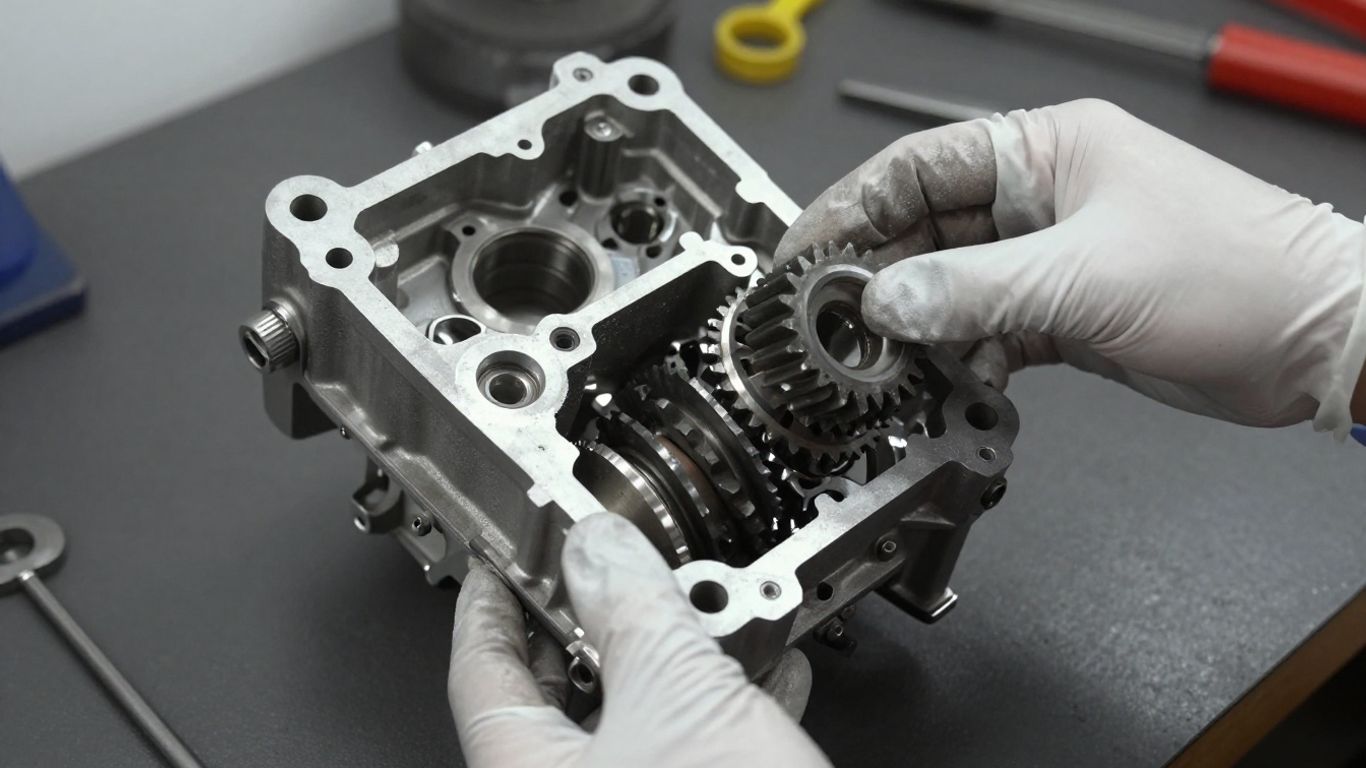
Assessing the condition of any component before purchase is a necessary step that prevents repeat labor in the long run. When you examine a part, looking beyond surface appearances is a skill that saves time and money. Experienced recyclers often provide transparent notes on the wear state of their inventory.
Inspecting for structural integrity and common defects
Careful inspection is required to ensure that you are buying durable and cost-effective solutions for your repair needs. You should evaluate different aspects of a part to confirm it will perform as intended once installed.
| Part Type | Inspection Point | Critical Concern |
|---|---|---|
| Body Panel | Surface finish | Hidden rust or deep dents |
| Alternator | Pulley tension | Bearing noise or play |
| Transmission | Gear engagement | Fluid discoloration or smell |
Conducting this detailed check ensures you do not waste time installing a part that is fundamentally compromised. Spending a few extra minutes during the pick-up process helps you avoid disappointment once the assembly is back on the road.
Identifying genuine OEM versus aftermarket replacements
It is helpful to understand whether a part originated from the factory assembly line or was later produced as a generic substitute. Genuine parts often carry unique manufacturer stamps or specific serial arrangements that indicate their origins. Just Skoda and other reputable suppliers typically distinguish these clearly to help you make an informed decision based on your requirements.
Verifying the donor vehicle’s mileage and service history
Reliability is often predictable when the source vehicle has a documented service record available for review. Knowing how many kilometers were on the clock before the vehicle was decommissioned helps manage your expectations regarding the longevity of the replacement part. This information is a standard request that reliable recyclers should be able to fulfill upon inquiry.
How to source parts efficiently in Brisbane
Finding exactly what you need quickly often boils down to using available digital tools and local connections. Brisbane has a well-linked network of providers who coordinate stock to help enthusiasts find elusive items. Efficient searching prevents you from wasting hours driving to locations that have already sold their last compatible unit.
Navigating online auto parts search databases
Utilizing online databases allows you to scan a significant portion of regional inventory from your computer. These platforms act as a central hub where various wreckers list their current arrivals. This approach is highly effective for identifying specific trim pieces or unique mechanical modules that are not commonly found at small local lots.
Leveraging local European-specialist salvage networks
European specialists often maintain a tighter stock of specialized components that general wreckers might not keep on the shelf. These networks enable you to tap into inventory that is specifically curated for higher-end engineering standards. Working with a dedicated salvage network ensures that you are dealing with professionals who know which parts are prone to wear and which remain robust for many years.
Comparing regional stock availability for older models
Sometimes, parts for older models require reaching out to suppliers beyond the immediate metropolitan boundary to find the right match. Established dealers like Grant Walker Parts assist by moving stock effectively to meet specific demand across different regions. This level of cooperation ensures that owners of older vehicles can still maintain them with original parts.
The most successful repairs are often those where the owner invests time in verifying part compatibility with a professional before purchase. Seeking advice from experienced dismantlers early in the process creates a smoother project flow and avoids the need for potential returns or exchanges later on.
This cooperative effort between the car owner and the professional recycler simplifies the acquisition of components that might otherwise be discarded. It emphasizes the importance of communication when dealing with items that play a role in safety or structural integrity.
Essential questions to ask your parts recycler
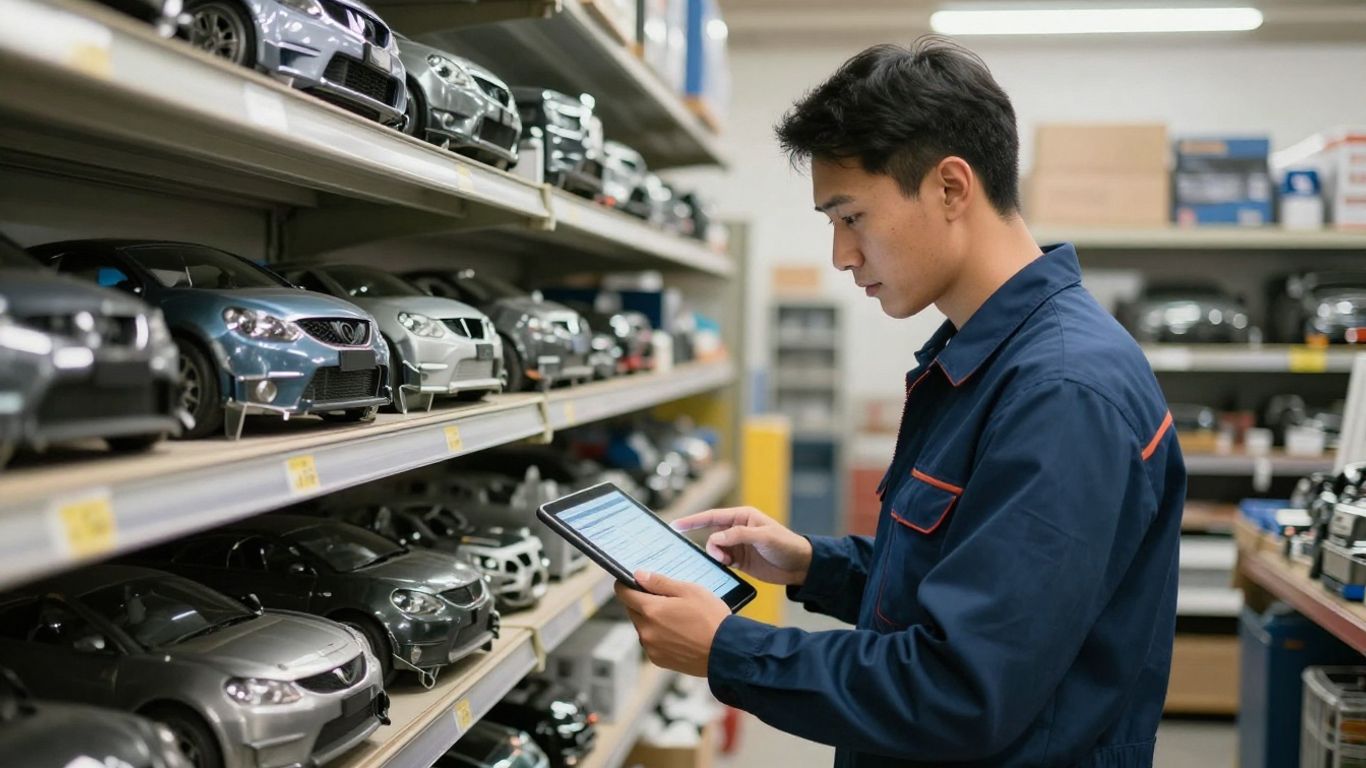
Clear communication with the staff at the recycling facility is your best protection against selecting the wrong component. Before completing a purchase, you should discuss the specific requirements of your repair project. Professionals at these facilities appreciate when a buyer comes prepared with specific technical questions.
Confirming specific part compatibility using chassis numbers
Using the vehicle identification number is the most accurate way to verify that a part will fit your car perfectly. A chassis number allows the recycler to cross-reference the exact production specifications of your vehicle against their inventory records. Always have this number handy to avoid the frustration of an incorrectly matched part.
Understanding the scope of existing return and exchange policies
Before you pay, confirm what happens if the part does not perform as expected or if an incorrect item is provided. Most reputable yards provide a clear window for returns, provided the component is returned in the same condition it was sold. Understanding these terms upfront provides you with much-needed peace of mind.
Discussing warranty coverage for electronic and mechanical modules
Electronic components often require more scrutiny than simple mechanical parts, so discussing potential warranty coverage is a smart move. Ask if there is a limited guarantee for these items to protect your investment. Knowing the extent of this coverage helps you decide whether to proceed with a salvaged module or look for a different alternative.
Cost-saving strategies for Skoda Fabia repairs
Managing a repair budget involves choosing the right balance between new components and salvaged parts. While critical mechanical parts might warrant a higher spend, aesthetic pieces often make the most sense as salvaged items. Balancing your budget effectively keeps the car on the road without breaking the bank.
Budgeting for salvaged modules versus new dealership parts
Calculating potential savings starts by comparing the recycler’s price against a new component quote. Often, the savings on significant mechanical modules are substantial enough to justify the minor effort involved in finding a recycler. This strategy is particularly useful when the required item does not have a high risk of failure.
Determining when to opt for used body panels versus interior trim
Body panels are among the most popular and cost-effective items to source from a yard, especially if you can find one in your specific paint code. Interior trim pieces, like handles or dash inserts, are also great candidates for recycling. Opting for used items in these areas maintains the look of your vehicle for a fraction of the cost of new replacements.
Negotiating pricing for bundle purchases on major repair jobs
If you have a project that requires multiple parts, such as a major suspension overhaul, inquiring about a bundle price is a smart tactic. Recyclers are more likely to offer a discount if you are clearing out several items at once. This approach turns a complex repair into a more affordable endeavor by lowering the total cost of individual parts.
Safety and installation considerations
Ensuring that your salvaged parts are installed according to safety standards is a critical final step in the process. Some components, especially those related to steering, braking, or safety systems, should always be handled with care. If you are unsure about the installation process, it is best to involve an experienced mechanic.
Professional installation standards for critical components
Critical components such as brakes and transmission parts must be installed by someone who understands the manufacturer’s technical specifications. Professional installation ensures that everything is torqued correctly and verified for safe operation. Don’t risk your safety by neglecting these technical requirements for the sake of finishing the job independently.
Handling specialized electronic sensors and software pairing
Modern vehicles often require software synchronization when replacing electronic modules or sensors. Before you buy, ensure that you have access to a facility or technician who can perform the necessary pairing for your specific car model. Skipping this step can lead to warning lights persisting on the dashboard, even if the new part is working correctly.
Complying with Queensland regulations for salvaged vehicle parts
Finally, remain aware of any local regulations regarding the use of salvaged parts in Queensland, particularly concerning structural integrity and safety standards. Following these guidelines ensures that your vehicle remains compliant with state requirements during future inspections. Adherence to these rules supports a safe and transparent repair culture for all vehicle owners.
Conclusion
Finding the right used components in Brisbane is a straightforward process when you prioritize quality, transparency, and professional advice. By selecting a reliable partner for your needs and verifying the compatibility of every part, you successfully minimize costs while maintaining the performance of your vehicle for years to come.