Key Takeaways
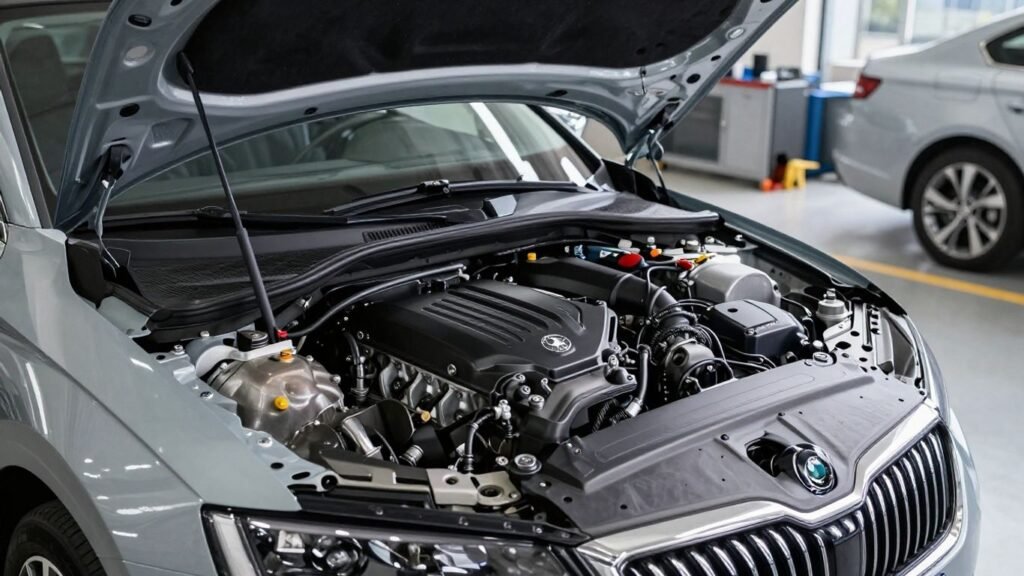
Finding a reliable engine for your vehicle requires a systematic approach to research, verification, and professional installation. This guide covers the essential steps for navigating the secondary automotive market for Volkswagen Group vehicle components.
- Identify your specific engine code to ensure compatibility with your vehicle model.
- Prioritize sellers who provide transparent maintenance logs and verified mileage history.
- Use professional inspection services to uncover hidden cooling system or internal wear issues.
- Understand the distinction between basic salvage units and fully reconditioned diesel assemblies.
- Factor in the cost of auxiliary components like timing belts, seals, and sensors before starting the swap.
Sourcing locations in Melbourne
Finding specific automotive components in a major city like Melbourne can be overwhelming without a clear starting point. Whether you are focusing on a direct salvage pull or seeking a refurbished unit, local infrastructure supports a variety of acquisition methods. Buyers typically find that establishing a rapport with local industry professionals simplifies the process of identifying viable parts.
Local Skoda wreckers and salvage yards
Local wreckers are often the first stop for those looking for affordable donor parts. These businesses typically take in vehicles that have been retired due to collision, providing an accessible inventory for engines. Many wreckers, such as All Euro Car Parts, maintain specialized catalogs that allow you to locate components matching your requirements without sorting through piles of unrelated scrap.
Reputable automotive spare parts retailers
Specialized retailers bridge the gap between high-mileage scrap and new factory components. These vendors often curate their stock, selecting units that meet strict quality benchmarks for functionality and safety. By dealing with established retailers, you gain access to parts that have undergone basic testing, which can be a key advantage when sourcing used Skoda diesel engines for sale Melbourne.
Online marketplaces for Melbourne-based sellers
Online platforms offer extensive reach, allowing you to compare price points across various suburbs. While these sites are convenient, they require higher vigilance regarding the seller’s history and the accuracy of the listing description. Engaging with sellers who provide clear, high-resolution photographs of engine plates and service history is crucial for filtering out poor-quality options.
Mechanics and independent repair shops
Many independent mechanics maintain their own networks of suppliers and may even have leads on engines through their service intake. They are often the most reliable source for advice because they understand the technical challenges of installing a replacement engine. Their hands-on expertise ensures that any unit they recommend or source meets the necessary fit and safety standards for your specific vehicle.
Verifying engine condition and history
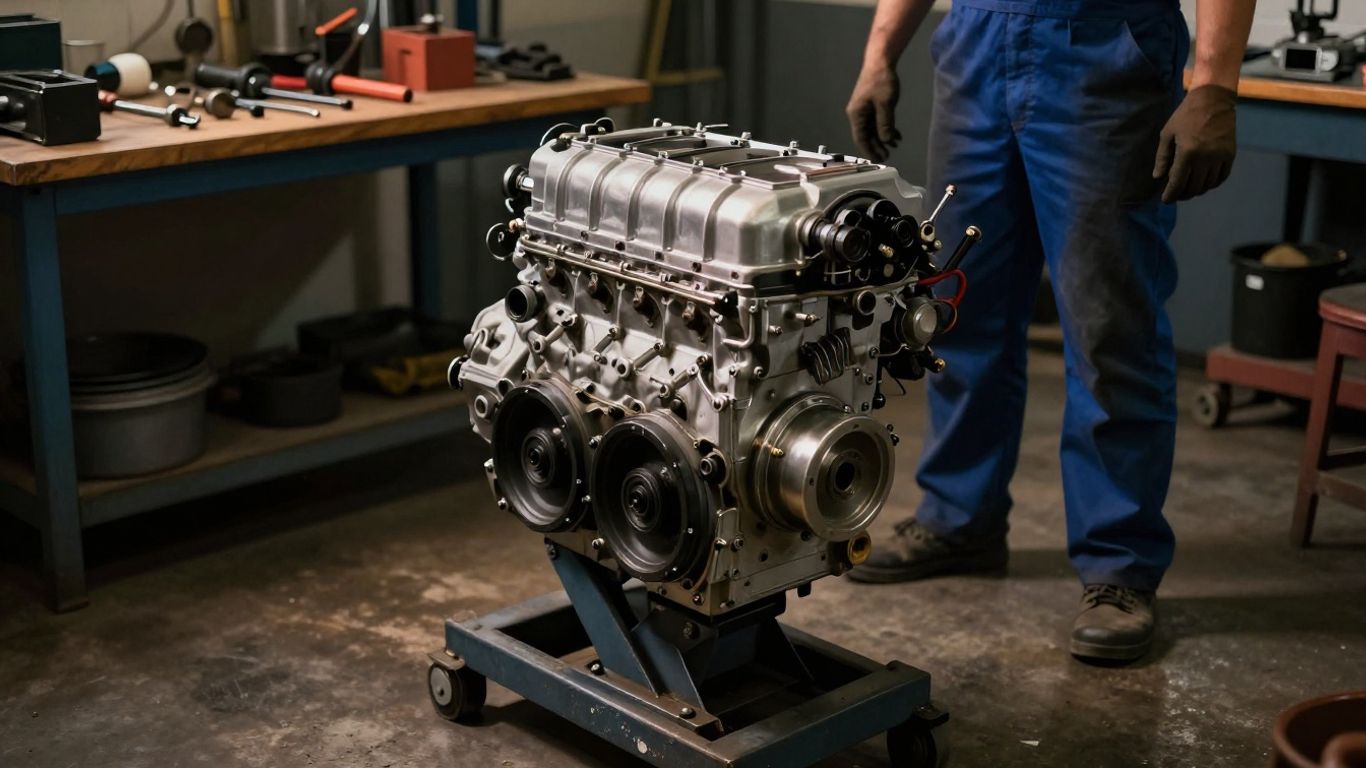
Before finalizing any purchase, it is vital to peel back the layers of a part’s history, as a clean exterior does not always reflect the internal health of the block and head. Verifying the provenance of an engine prevents future headaches and unexpected secondary repair costs. This stage of the process should focus on evidence-based documentation and objective physical observation.
Checking vehicle identification numbers
Cross-referencing the VIN digits associated with the donor vehicle is the most reliable way to confirm the engine’s lineage. This process ensures the assembly is legally registered and matches the intended specs for your chassis. Always verify these numbers against the official chassis plate if a physical inspection is possible.
Interpreting service logs and maintenance records
Service logs act as a health report for the engine’s previous years of operation. Look for consistent oil changes and timing belt replacements, as these tasks dictate the longevity of the turbocharger and internal bearings. Missing entries for major service intervals suggest a higher risk of hidden sludge accumulation or catastrophic component failure.
Identifying signs of cooling system corrosion
Diesel engines are sensitive to thermal management issues, making the cooling system a primary indicator of neglect. Examine the coolant housing and radiator connections for traces of dry, white buildup or oily residue that suggests a compromised head gasket. A clean, well-maintained system usually reflects a owner who prioritized engine hygiene.
Conducting a physical inspection of core components
When inspecting the core externally, focus on the integrity of the exhaust manifold and surrounding areas for signs of leaking gaskets. Rotate the crankshaft manually if it is out of the vehicle to check for smooth movement without seizing. These small checks prevent the installation of an assembly that is destined for immediate failure.
Understanding compatibility and technical specifications
Matching a modern diesel engine requires more than just confirming the displacement; you must account for the intricate software and hardware ecosystem of your vehicle. Mismatched assemblies can lead to sensor conflicts or permanent performance limitations that are difficult to correct after the engine is in the bay.
Matching engine codes to your Skoda model
Engine codes are the absolute identifier for compatibility within the VAG ecosystem. Even engines of the same displacement can have differing mounting points or electronic architectures depending on the specific manufacturing run. It is standard practice to verify the three or four-letter code etched directly into the engine block rather than relying solely on the model name.
Differences between TDI engine generations
Diesel technology has evolved rapidly, with significant shifts between common-rail systems and earlier unit injector designs. Upgrading to a newer generation often requires significant wiring harness modifications or controller adjustments. Always stick to the specific engine family for which your vehicle’s wiring was originally engineered.
Assessing peripheral component compatibility
When purchasing a replacement, determine whether the sale includes essential peripherals like the alternator, power steering pump, and turbocharger. While many of these items can be transferred from your old unit, swapping them may introduce failure points if the seals are damaged during the process.
Always verify the exact wiring pin configuration and sensor locations on the replacement engine before committing to the purchase, as subtle differences in auxiliary harness design can lead to critical communication errors with your car’s primary engine control unit.
This level of attention to detail ensures that the mechanical installation is matched by electrical compatibility, which is essential for seamless operation once the car returns to the road.
The importance of matching transmission configurations
Transmission compatibility is just as rigid as the engine itself, especially regarding the bell housing pattern and the way the dual-mass flywheel engages. Ensure that your transmission bell housing aligns with the replacement engine’s mounting points, as attempting to force a mismatch can cause catastrophic alignment issues for the input shaft.
Navigating warranties and consumer protections

Securing a warranty is the best defense against purchasing an unexpectedly faulty unit in the private market. When dealing with specialized providers like All Good Parts, buyers are often offered a baseline guarantee that provides at least some recourse for components that fail shortly after sale. Understanding exactly what this covers is the difference between a minor setback and a total loss.
Understanding dealer-provided guarantee periods
Most guarantees range from 30 to 90 days, focusing primarily on internal performance rather than electrical sensors or auxiliary components. Be clear about whether the guarantee covers the cost of labor to remove and replace an engine that arrives in a non-functional state. Never assume that labor is included unless it is explicitly stated in the formal guarantee documentation.
Consumer rights for second-hand automotive parts in Victoria
Victorian consumer law provides basic protections that ensure goods are fit for their intended purpose. However, these rights may vary when buying from private sellers compared to licensed businesses. Always request a clear receipt that details the trade terms and confirms the seller is a registered business, as this strengthens your position if a dispute arises regarding the condition of the part.
Red flags to watch for in private sale agreements
Avoid sellers who are unwilling to provide a trial period or who request payment methods that lack transaction insurance. If a price seems too good to be true, it often indicates a neglected unit with a failing turbo or internal wear that isn’t immediately visible. If the seller pressures you to finalize the deal without allowing an independent inspection, take it as an indicator to walk away.
The value of professional installation certifications
Having an engine professionally installed by a certified mechanic often satisfies the conditions required to maintain any parts warranty. If you install an engine yourself, sellers may claim that improper procedure caused the damage. Proper certification documents that the installation followed industry-standard protocols, which is often a requirement for honoring a return or replacement agreement.
Assessing the value of reconditioned versus salvaged units
Deciding between a low-mileage salvage unit and a fully reconditioned engine involves weighing the immediate purchase cost against long-term reliability. A salvage unit might appear cheaper on paper, but a professional reconditioning process provides a baseline of quality that is otherwise impossible to guarantee in the wild.
Cost-benefit analysis of low-mileage salvage engines
Salvage engines are obtained from vehicles that have left the road but haven’t necessarily suffered internal mechanical failure. These units carry a lower initial price tag but come without the assurance of a clean bill of health. Many buyers opt for these units when they have the budget and capacity to perform a ‘refresh’ on the engine before it is dropped into the bay.
Benefits of professionally reconditioned diesel units
Reconditioned engines are the preferred choice for those who want long-term peace of mind without constant repairs. These units are typically stripped, cleaned, and updated with new essential components like piston rings, bearings, and head studs. This professional oversight eliminates the common failure points found in unchecked salvage blocks.
Long-term performance expectations for used turbo-diesels
Turbo-diesel engines can comfortably exceed 300,000 kilometers when maintained properly, but age is rarely kind to the sensitive forced-induction system. Even a well-taken-care-of unit will eventually require attention to the turbocharger vanes or fuel injectors. Plan for these items as part of your ownership cost rather than as unexpected failures.
Budgeting for auxiliary parts during installation
When buying an engine, you should always set aside a portion of your budget for the ‘hidden’ costs that often emerge during the swap. The following table provides a breakdown of common auxiliary expenses that should be anticipated beyond the purchase price of the engine itself.
| Item | Estimated Importance | Reason for Replacement |
|---|---|---|
| Timing Belt Kit | Essential | Prevent catastrophic failure at startup |
| Water Pump | Recommended | Requires same access as timing belt |
| Engine Mounts | Helpful | Reduces vibration and stress on block |
By planning for these expenses, you prevent the common error of rushing through the installation process only to be stuck with leaks or mechanical failures from old rubber and plastic parts that were never refreshed.
Installation and engine testing protocols
Once the engine is mounted and the wiring harness is secured, the focus shifts to ensuring every system communicates correctly. Testing an engine before it leaves the workshop is a critical step that saves hours of roadside troubleshooting once the vehicle is put into active service.
Pre-installation checks for sensor and wiring health
Before mounting the engine, inspect every connector on the new harness for corrosion or brittle plastic. Check the integrity of the ground straps to ensure the engine block has a clear path for electrical currents, which is vital for starting in colder months. A clean pair of sensors is often the deciding factor for whether an engine starts on the first turn.
Flushing fluids and replacing service-critical seals
New fluids should be a mandatory expense regardless of what the previous owner might have claimed. Replacing all external oil seals and coolant gaskets at this stage avoids having to tear the engine down again just to fix a minor drip that could have been resolved before the engine saw the light of day. Treat every accessible seal as a wear item that deserves a new replacement.
Initial diagnostic scans and software coding
Modern engine control units often require ‘handshaking’ with the car’s existing controllers to function properly. Use a diagnostic tool to scan for any communication errors or pending fault codes before putting load on the engine. If the ECU detects an anomaly, it will often put the engine into a permanent protection mode that limits power until the correct software coding is applied.
Road testing and monitoring for oil or coolant leaks
After a successful ignition, let the engine reach operating temperature in the lot to watch for bubbles in the coolant overflow or visible leaks under the belly pan. Monitor the oil pressure readings closely for the first fifty kilometers of driving. A quiet, responsive engine that holds stable coolant temperatures indicates that the swap was performed successfully and with the necessary attention to detail.
Conclusion
Navigating the process of sourcing and installing a replacement diesel engine requires a combination of patient research and mechanical due diligence. By sticking to authentic parts, verifying all documentation, and planning for the inevitable auxiliary maintenance, you can restore your vehicle to its former reliability. With these steps in place, the path forward becomes much clearer, allowing you to get your car back on the road with total confidence in your choice.