Key Takeaways
A little preparation can prevent the most common online parts-buying headaches. Confirm the vehicle and part details, then check the supplier’s terms before you pay.
- Match the part to your Skoda’s model, year, variant, and VIN.
- Compare genuine and aftermarket options by fitment, quality, and warranty terms.
- Check supplier contact details, stock information, and return policies.
- Review the full price and delivery estimate before placing an order.
- Keep your paperwork and inspect the part before installation.
Identify the right part for your Skoda
The first challenge is not finding a listing; it is knowing that the listing describes the part your car needs. Skoda vehicles can differ across model years and variants, and components that look alike may not be interchangeable. When you order Skoda parts online Australia, take a moment to gather your vehicle details before browsing.
Find your model, year, and variant
Start with the exact model name, build year, and variant shown in your vehicle documents or service records. Depending on the model, details such as body style, engine, or trim may help narrow the search further. If you are unsure which description applies, check the vehicle identification plate or ask a mechanic to confirm it rather than choosing the closest-looking option.
Use the VIN to confirm compatibility
The vehicle identification number can help a supplier check whether a part is suitable for your particular vehicle. Provide the full VIN when requesting fitment advice, and make sure you enter it accurately; a single incorrect character can lead to confusion. A VIN check is a useful confirmation, but compare the supplier’s answer with the product listing and your existing part before ordering.
Match part numbers when replacing components
If the old component is accessible, look for a printed or stamped part number and share it with the supplier. Numbers can be a more precise reference than a broad description such as “front sensor,” though revisions and superseded numbers may complicate a direct match. Use the number alongside your vehicle details, not as a substitute for them.
A simple comparison can help keep the information straight while you check a replacement:
| Detail to compare | What to check | Why it helps |
|---|---|---|
| Vehicle | Model, year, and variant | Narrows the possible applications |
| VIN | Full number copied accurately | Supports a vehicle-specific fitment check |
| Existing part | Label, shape, and connectors | Helps identify differences between similar parts |
| Part number | Number on the old component or listing | Gives the supplier another reference point |
No single detail guarantees a match on its own. Share the relevant information together and ask the supplier to clarify any discrepancy before you commit to the purchase.
Choose between genuine and aftermarket parts
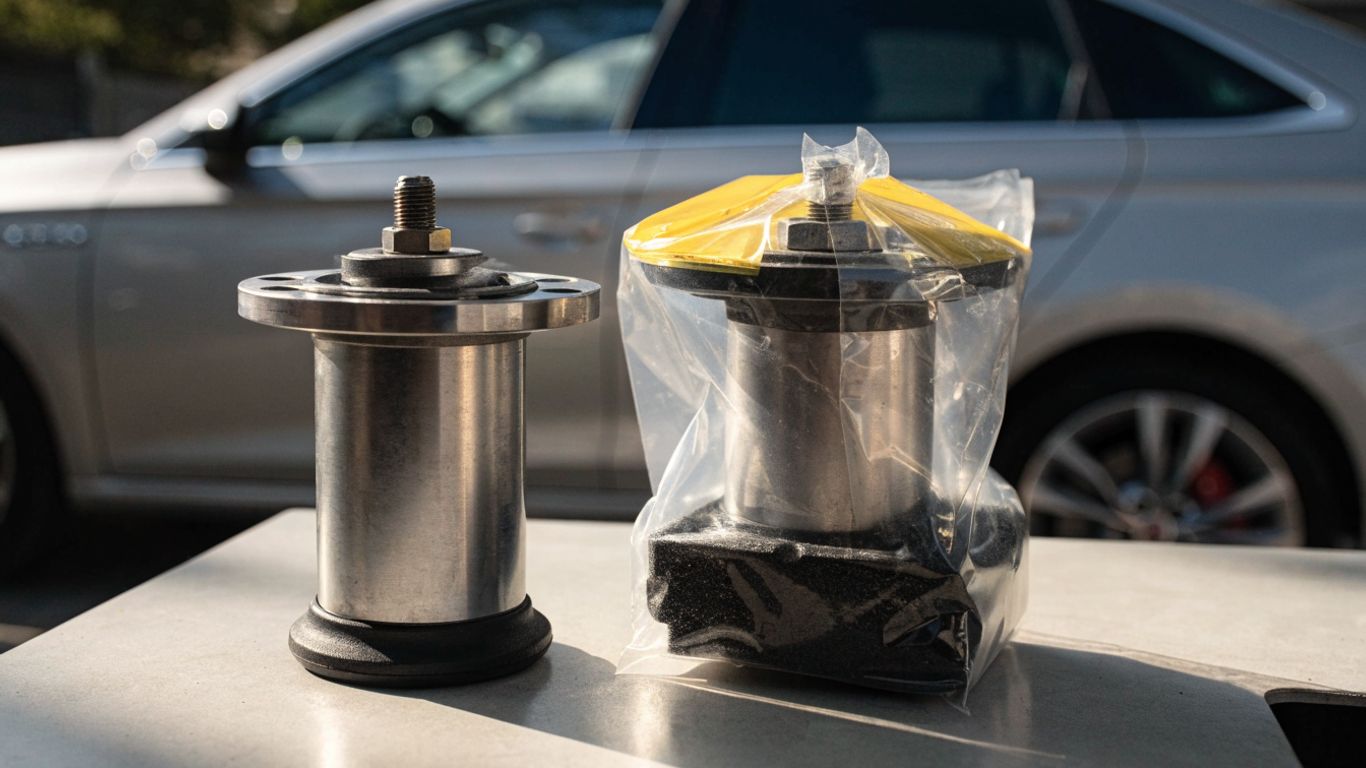
The right choice depends on the component, your priorities, and the available documentation. A genuine part and an aftermarket replacement may differ in price, specification, supply time, and warranty conditions, so compare the actual options rather than relying on a label alone. Keep the intended use of the vehicle in mind as you weigh the trade-offs.
Compare fit, quality, and warranty coverage
Look for clear application details, product specifications, and information about the seller’s warranty. If the listing does not explain which vehicles the part fits, ask for confirmation before purchasing. A clear fitment match is more useful than a low price on a component whose suitability remains uncertain.
Check when genuine parts are worth the extra cost
A genuine part may be worth considering when you want a replacement specified for the vehicle and can verify that it is the correct component. The higher price, if there is one, does not by itself settle the question: compare the part number, availability, warranty, and the cost of fitting it. For less critical choices, you may prefer to weigh an aftermarket alternative on its own merits.
Assess aftermarket brands and product descriptions
Aftermarket parts vary, so read the listing for the manufacturer, included components, compatibility information, and any stated standards or warranty terms. Be wary of descriptions that are vague about fitment or use broad wording without naming the relevant vehicle details. If you cannot tell what is included, ask before ordering; an apparently similar component may require additional clips, seals, or fittings.
Find a reliable Australian parts supplier
A dependable supplier should make it reasonably straightforward to ask questions, confirm fitment, and understand the terms of sale. That matters whether you are buying a small service item or a larger component that is costly to ship. Take time to assess the seller’s information before treating a product page as the final word.
Verify Skoda fitment support and stock availability
Check whether the supplier can confirm compatibility using your vehicle details or part number. Ask whether the part is physically in stock or needs to be sourced, and whether the quoted timing is an estimate or a confirmed dispatch window. A direct answer helps you decide whether the supplier can meet your needs without assuming that an online listing reflects immediate availability.
Review business details, customer feedback, and policies
Look for accessible contact information, clear business details, and written terms covering payment, returns, and warranty claims. Customer feedback can offer useful context, but read it as individual experience rather than a promise of what will happen with your order. If you need to evaluate a seller, these checks are more helpful than relying on a polished product page alone.
A good buying decision leaves room to ask one more question before paying.
Once you have checked the seller’s details, follow up on anything that remains unclear, especially fitment, stock status, or return costs. A supplier that explains its process plainly gives you a better basis for deciding whether to proceed.
Compare local suppliers with overseas sellers
Compare the full purchase, not just the displayed part price. A local supplier may be easier to contact about fitment or returns, while an overseas order may involve a different delivery estimate and additional steps if something goes wrong. Check shipping charges, possible import costs, and who handles a return before deciding which option suits you.
Place your order with confidence
Before checkout, pause to reconcile the vehicle details you gathered with the item you are about to buy. Online listings can be concise, and a selection made from a dropdown is not always enough to confirm the application. A few checks now are simpler than sorting out a mismatch after delivery.

Check the listing against your vehicle details
Read the full product description and compare it with your model, year, variant, VIN information, and part number where available. Check whether the item is sold individually or as a set, and note any exclusions or extra components the listing mentions. If anything conflicts with the advice you received, ask the supplier to resolve the difference in writing before submitting the order.
Confirm the total price, including GST and delivery
Review the checkout total rather than judging the purchase by the displayed item price. Check whether GST is included or added at checkout, and look for delivery charges or other costs that apply to your location. If the supplier gives an estimate for freight, ask whether it can change based on the part’s size, weight, or delivery address.
Save your order confirmation and supplier correspondence
Keep the order confirmation, invoice, listing details, and any messages where fitment was discussed. These records make it easier to refer to the exact part and terms if you need to ask a question later. Save them somewhere you can find after delivery, not only in a temporary browser window.
Understand delivery, returns, and warranties
Delivery and after-sale terms are part of the purchase, particularly for bulky, fragile, or vehicle-specific parts. Check them before ordering so you understand what to expect if the parcel is delayed or the part does not suit your car. Written policies are more reliable than assumptions about what a supplier will allow.
Check shipping options and estimated delivery times
Review the available delivery methods, the estimated dispatch or arrival window, and whether tracking is provided. Confirm that the supplier has the correct address and that someone can receive the parcel if a signature is required. For a part you need by a particular date, ask whether the estimate is dependable enough for your plans before paying.
Review return rules for incorrectly ordered parts
Read the return conditions carefully, including any time limit, restocking charge, return freight responsibility, or requirement to contact the supplier first. Some policies treat an incorrectly ordered part differently from a faulty or damaged one. If fitment is uncertain, clarify the return position before opening or fitting the item.
Keep warranty terms and proof of purchase
Save the warranty information alongside your invoice and order confirmation. Check what the warranty covers, how long it applies, and what steps are required if a claim becomes necessary. Keep any packaging or labels until you have verified the part, since they may help identify the item if you need to contact the supplier.
Prepare for installation and follow-up
Receiving the parcel is not the last check. Before fitting the part, confirm that it is the item you ordered and that it appears to be in suitable condition. This gives you a chance to raise concerns before installation makes a return or assessment more complicated.
Decide whether a qualified mechanic should fit the part
Consider the job’s complexity, the tools required, and the risks of an incorrect installation. Routine work may be manageable for someone with the appropriate skills, while safety-related or technically involved repairs are better assessed by a qualified mechanic. If a workshop will fit the part, confirm the application with them before ordering and ask whether they have any requirements for the component.
Inspect the part before installation
Compare the delivered part with your order details and, where practical, with the component being replaced. Check the part number, connectors, mounting points, included hardware, and visible condition. Do not install a part that appears damaged or materially different from the listing until the supplier has advised you what to do.
Contact the supplier promptly if the part is incorrect or damaged
Take clear photographs of any damage or mismatch and keep the packaging, labels, and paperwork. Contact the supplier through its stated support channel, explain the issue, and include your order number and vehicle details. Prompt, organised communication gives the supplier the information needed to respond under its published process.
Conclusion
Buying Skoda parts online is easier when you treat fitment, supplier terms, and delivery as parts of the same decision. Confirm the vehicle details, ask about uncertainties before paying, and keep your records until the part is checked and fitted.