Key Takeaways
A used Octavia engine can be a sensible repair, but the right choice depends on exact vehicle and engine details rather than the badge alone.
- Confirm the engine code, model year, transmission, and vehicle identification details before buying.
- Compare petrol and diesel specifications, emissions equipment, and power output carefully.
- Inspect the engine’s condition, mileage evidence, service history, and warranty terms.
- Budget for installation, fluids, seals, timing components, and possible electronic programming.
- Choose a supplier that explains compatibility, testing, collection, delivery, and returns clearly.
Understanding used Skoda Octavia engine options
Skoda Octavia engines vary considerably across generations, markets, trim levels, and production years. Petrol and diesel units may look similar externally while differing in software, emissions equipment, mounting points, or accessory arrangements. A successful replacement begins with identifying the engine as a complete specification, not simply choosing an engine size.
Common petrol and diesel engine variants
Octavia models have been sold with several petrol and diesel families, including smaller turbocharged petrol engines and larger units designed for stronger performance. Diesel versions may include turbochargers, particulate filters, and additional emissions hardware that must match the vehicle’s original configuration. Even when two engines share a displacement, their engine codes and supporting systems can differ.
For a replacement search, record the fuel type, displacement, power rating, and engine code together. This avoids the common mistake of treating every 1.6-litre or 2.0-litre engine as interchangeable.
Engine generations and model-year differences
The Octavia name covers multiple generations, and parts changed as safety, emissions, and electronic systems developed. A later engine may have different sensors, wiring, control modules, or exhaust equipment from an earlier engine with a similar capacity. Model-year information is therefore as useful as the engine badge when narrowing down a used unit.
Check the build date and not only the registration year, particularly where a vehicle was manufactured near a model change. Factory build information can explain why two apparently similar cars require different replacement parts.
Manual and automatic transmission compatibility
Transmission compatibility deserves separate attention because the engine and gearbox work as a matched installation. Flywheel or flexplate arrangements, starter positions, clutch components, mounts, and control systems may vary between manual and automatic versions. A replacement engine that physically fits may still require additional parts before it can operate correctly with the existing transmission.
Give the supplier the transmission type and, where possible, its code. This lets the comparison include the correct bolt pattern and ancillaries rather than stopping at a broad engine-family match.
How engine specifications affect replacement choices
Power output, torque delivery, emissions equipment, and production generation all influence the suitability of a used engine. The cheapest listed unit may create extra work if it needs different injectors, wiring, cooling components, or programming. Specification matching saves money when it prevents those surprises before installation.
A simple comparison can help clarify what needs to match before any deposit is paid:
| Specification | Why it matters | What to confirm |
|---|---|---|
| Engine code | Identifies the precise variant | Code on the vehicle and replacement |
| Fuel type | Determines fuel and emissions systems | Petrol or diesel configuration |
| Power output | Helps preserve original calibration | Factory rating and software requirements |
| Transmission | Affects fitment and ancillary parts | Manual or automatic, plus transmission code |
| Emissions equipment | Influences sensors and exhaust connections | Original filters, valves, and related hardware |
The table is a starting point, not a substitute for a parts check. If one detail remains uncertain, pause the purchase and have the vehicle and donor information compared together.
Matching the replacement engine to your Octavia
Matching a replacement engine is a process of verification. The vehicle identification number, build details, engine code, transmission, and emissions configuration should tell the same story. A clear match reduces installation delays and makes warranty discussions much easier if a problem appears.
Confirming the exact engine code
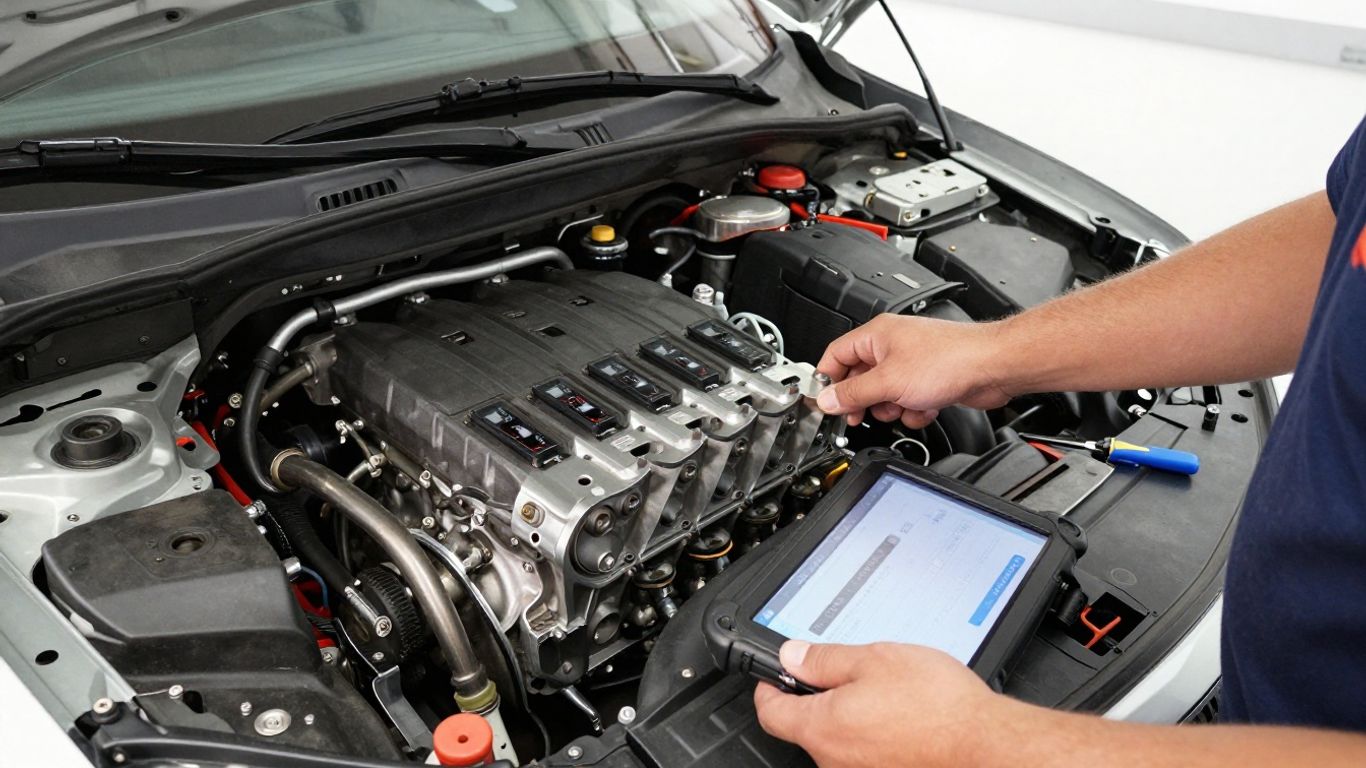
The engine code is usually more useful than a broad description such as “2.0 diesel.” It identifies a particular version and can reveal differences in turbocharging, fuel injection, emissions controls, and electronic interfaces. Ask for a clear record of the code on the replacement and compare it with the code fitted to the Octavia.
If the original code is difficult to read, a repair record, diagnostic report, or vehicle parts catalogue may help confirm it. Do not rely on a seller’s assumption based only on capacity or registration details.
Checking vehicle identification and build details
The vehicle identification number can link the car to its production data and equipment. Build month, body style, drive configuration, and market specification may all affect the correct engine arrangement. Share these details before requesting a firm price so the supplier is working from the same information.
It is also worth checking whether the car has been modified. Non-standard cooling, exhaust, intake, or electrical components can complicate an otherwise suitable replacement.
Comparing power output and emissions specifications
A replacement should normally match the original power and emissions specification unless a qualified technician has confirmed a different conversion is practical and legal. Compare rated output, turbocharger arrangement, injection system, exhaust treatment, and sensor provision. A mismatch can lead to warning lights, poor running, failed emissions testing, or additional calibration work.
This comparison matters especially when searching across different model years. Listings can use familiar engine names while omitting the details that determine whether the unit will communicate with the vehicle.
Avoiding compatibility issues with electronics and accessories
Modern engine replacement is rarely limited to bolting in a long block. The ECU, immobilizer, wiring loom, alternator, starter, air-conditioning compressor, intake, cooling system, and exhaust connections may need to be transferred or checked. Make a record of which components are supplied with the engine and which remain with the car.
A professional installer can identify whether programming, coding, or component swapping is needed. Getting that answer before delivery is preferable to discovering a missing sensor or incompatible connector halfway through the job.
Evaluating used Skoda Octavia engines in Castle Hill
Buying locally can make inspection, collection, and communication more convenient, but location alone does not prove condition. A used engine should be assessed through its evidence: identification, storage history, mileage information, testing, and any known faults. Treat the purchase as a technical decision rather than a quick bargain hunt.
What to inspect before making an offer
Start with the identification markings and compare them with the advertised specification. Look for damage to mounting points, cracked housings, broken connectors, missing sensors, damaged threads, and signs that the engine was stored poorly. Ask whether the engine is supplied as a complete assembly or as a bare unit.
A photograph can support the inspection, but it cannot confirm internal condition. Ask what testing was completed, what was observed before removal, and whether the engine came from a running vehicle or an unknown source.
Signs of wear, overheating, or internal damage
Oil contamination, heavy corrosion, damaged hoses, cracked plastic fittings, and impact marks deserve closer attention. Signs of overheating may include discoloration, damaged gaskets, warped components, or evidence of coolant loss. External cleanliness is not proof of mechanical health, and a freshly washed engine may conceal useful clues.
Where practical, a technician should assess compression, rotation, oil condition, cooling passages, and visible timing components. The exact checks depend on whether the engine is complete, partially dismantled, or already prepared for installation.
Reviewing mileage and maintenance history
Mileage is useful only when supported by credible records. Ask whether the mileage came from the donor vehicle, a service record, dismantler documentation, or an estimate. Maintenance history can reveal whether oil changes, timing work, cooling repairs, and major services were completed on schedule.
A higher-mileage engine with clear records may be easier to assess than a low-mileage unit with no supporting evidence. Compare the claimed mileage with wear on pulleys, mounts, connectors, and other visible components.
Questions to ask local dismantlers and suppliers
Before committing, ask direct questions about the donor vehicle, engine code, mileage, testing, included accessories, dispatch condition, and warranty. Also ask how a fault must be reported and whether the supplier requires installation by a qualified workshop. Clear answers are usually more useful than a vague promise that the engine is “good.”
A practical rule is to get important details in writing, especially when the engine is being delivered. That record gives both sides a clear reference if the supplied unit differs from the agreed specification.
A low purchase price is only a saving when the engine fits, performs, and is supported by workable warranty terms.
Use that principle when comparing local offers. The strongest option may not be the lowest ticket price if it includes better identification, testing evidence, or more useful after-sales support.
Understanding replacement engine costs
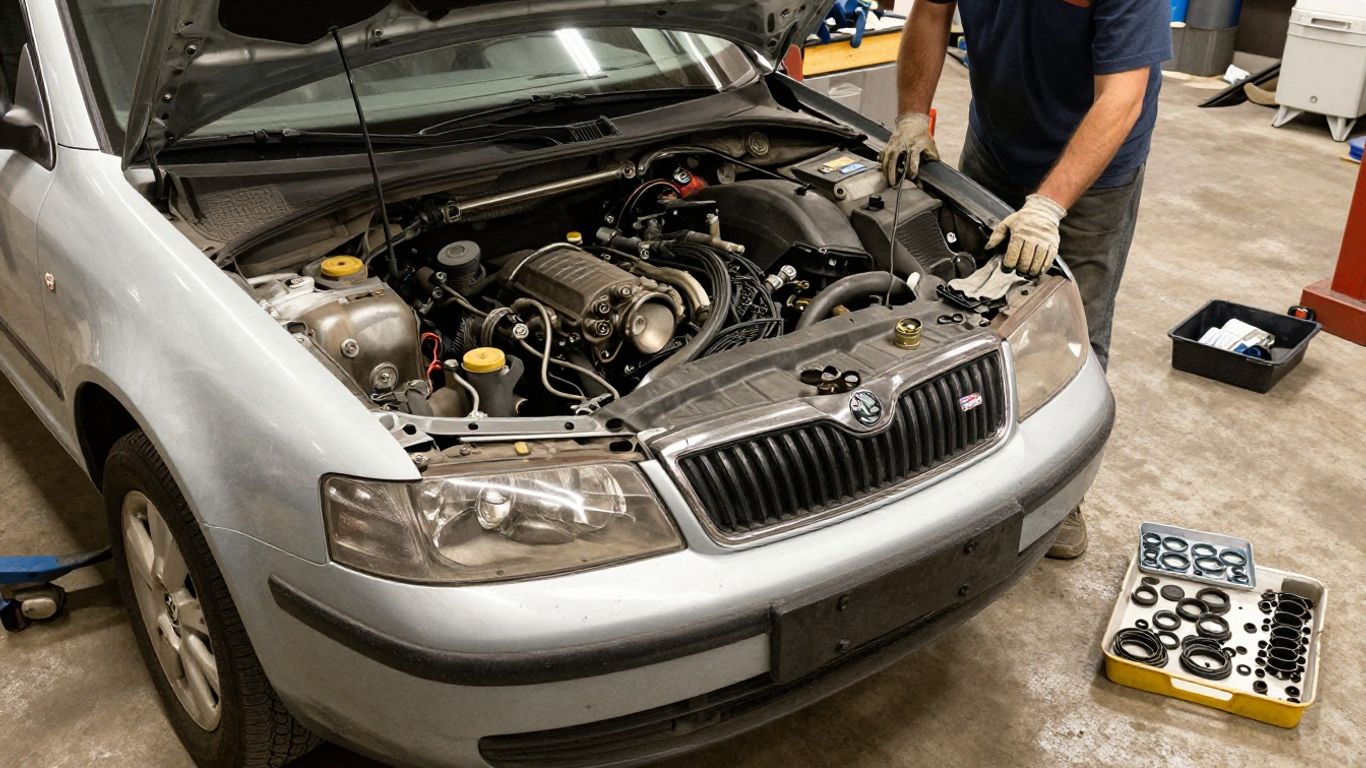
The purchase price is only one part of an engine replacement budget. Labor, fluids, seals, belts, filters, programming, transport, and related repairs can all affect the final amount. Comparing complete costs helps prevent a seemingly inexpensive engine from becoming an expensive installation.
Factors that influence used engine pricing
Price is shaped by engine generation, fuel type, demand, mileage, completeness, testing, warranty length, and the condition of included accessories. A bare engine may cost less than a complete assembly but require more labor and additional parts. Delivery distance and collection arrangements can also change the practical cost.
Ask for an itemized quotation that separates the engine from freight, refundable deposits, taxes where applicable, and any optional components. This makes different offers easier to compare without confusing a low headline price with a lower total.
Comparing tested, reconditioned, and rebuilt engines
A tested used engine is generally assessed in its existing condition, while a reconditioned or rebuilt engine may involve inspection, replacement of selected parts, or more extensive machining. These descriptions are not interchangeable, so ask what work was actually performed and what documentation supports it.
The right choice depends on budget, vehicle condition, expected ownership period, and warranty terms. A rebuilt unit may not be necessary for every repair, while an unknown used unit may not provide enough confidence for a long-term vehicle.
Estimating installation and additional parts costs
Installation may involve removing the old engine, transferring accessories, replacing fluids and filters, bleeding systems, programming modules, and conducting post-fit testing. Timing components, seals, hoses, mounts, clutch parts, and cooling components may be sensible to replace while access is straightforward. These tasks should appear in the estimate before work begins.
Ask the workshop to identify essential work separately from recommended preventative work. That distinction helps you make an informed decision without ignoring parts that could cause a second major repair soon after installation.
Assessing warranty coverage and return conditions
Read the warranty before purchase, not after a fault develops. Check its duration, covered components, labor treatment, exclusions, installation requirements, diagnostic process, and return deadline. Some terms may require immediate notification or approval before disassembly, so the workshop should understand them as well.
Keep invoices, photographs, diagnostic reports, and installation records. Good documentation supports a claim and makes it easier to show that the engine was fitted and maintained according to the stated conditions.
Preparing for professional engine installation
Professional installation is more than removing one engine and fitting another. The workshop must confirm that supporting systems are suitable, fluids are correct, electronic requirements are understood, and the finished vehicle is tested safely. Planning these steps before delivery can reduce downtime.
Checking ancillary components before fitting
Inspect the turbocharger, injectors, alternator, starter, compressor, mounts, flywheel, clutch or flexplate, intake, exhaust, and cooling components. Some may be transferred from the original engine, while others may be included with the replacement. Their condition can affect both labor time and the reliability of the completed repair.
Create a component list with the installer. It should state what arrives with the engine, what is being reused, and what will be replaced or repaired.
Replacing seals, fluids, and timing components
Accessible seals and gaskets are often worth assessing before installation because replacing them later can require substantial labor. Fresh oil, coolant, filters, and other specified fluids should be used, while timing belts, tensioners, or chains should be checked according to the engine’s design and service history.
The installer should base recommendations on the actual engine and its records rather than applying a generic package. This keeps the work focused while addressing items that are difficult to reach once the engine is installed.
Confirming ECU and immobilizer requirements
The replacement engine may use the vehicle’s existing ECU and accessories, or it may require coding, adaptation, or component transfer. Immobilizer communication, sensor compatibility, throttle control, and emissions monitoring should be considered before the engine is fitted. A mechanical match alone does not guarantee an electronic match.
Ask who will complete any diagnostic programming and whether that work is included in the estimate. Clarifying responsibility early avoids a vehicle that starts but retains warning lights or restricted operation.
Testing the engine after installation
Post-installation checks should cover fluid levels, leaks, oil pressure, cooling-system behavior, charging voltage, fault codes, idle quality, and operating temperature. A controlled road test can then assess starting, acceleration, shifting, braking response, and warning lights. The workshop should record any follow-up observations.
Do not treat the first successful start as the end of the repair. A careful inspection after the initial heat cycle and road test can identify small leaks or connection problems before they become serious.
Choosing a reliable Castle Hill engine supplier
A reliable supplier makes the technical details easier to verify and the buying process easier to manage. Look for clear identification, realistic condition descriptions, accessible records, and written terms. The best interaction should leave you knowing exactly what is being supplied and what happens if it is not suitable.
Verifying supplier experience with Skoda vehicles
Ask how the supplier confirms engine codes, model-year variations, transmission compatibility, and electronic differences across Octavia generations. Experience is most useful when it appears in the questions they ask and the evidence they provide, not simply in a general claim of expertise.
Provide the complete vehicle details at the first inquiry. A supplier who requests the VIN, engine code, transmission, and build information is more likely to be assessing fitment carefully than one who relies on a generic description.
Comparing warranties, delivery, and collection options
Compare warranty length, exclusions, freight arrangements, collection times, packaging, and return procedures. Delivery damage and incorrect fitment should have clear reporting steps, including who pays for transport and what evidence is required. Local collection may allow a closer inspection, but it does not replace written terms.
Ask whether the quoted price includes delivery to your workshop and whether the engine must be signed for. These small details can affect both scheduling and the final cost.
Checking reviews and business credentials
Reviews can reveal whether customers received accurate descriptions, prompt communication, and practical support after purchase. Read for repeated patterns rather than relying on a single glowing or critical comment. Also check that invoices, business details, payment arrangements, and warranty documents are consistent.
A professional supplier should be comfortable explaining the source and condition of the engine within the limits of available records. Evasive answers are a reason to slow down and seek clarification.
Making a confident purchase decision
Before paying, compare the exact engine specification, evidence of condition, total installed cost, warranty, delivery plan, and return process. Keep the quotation and correspondence together, and have the installer review the details if compatibility is uncertain. A short delay for verification is usually preferable to an avoidable mismatch.
For drivers searching for Used Skoda Octavia engines Castle Hill, the practical goal is not merely finding an engine nearby. It is finding a documented, compatible unit that can be installed with a realistic budget and a clear path for support.
Conclusion
A used Skoda Octavia engine can restore a vehicle economically when the replacement is matched by code, generation, transmission, electronics, and emissions specification. Careful inspection, professional installation, and clear warranty terms matter just as much as the advertised price, so take time to verify the details before committing.