Key Takeaways
Finding the right replacement component starts with identifying the exact vehicle configuration, not just the model name.
- Record the Yeti’s model year, engine, drivetrain, transmission, and VIN before shopping.
- Compare supplier listings with the original part number and side-specific application.
- Consider genuine, aftermarket, and used components according to safety, urgency, and budget.
- Ask about condition, warranty, return terms, delivery, and total installation cost.
- Have safety-critical or technically complex work checked by a qualified technician.
Understanding your Skoda Yeti’s parts requirements
A Skoda Yeti can appear straightforward to identify, yet apparently similar vehicles may use different components. Model year, engine output, drivetrain, transmission, and trim can all affect fitment. Before contacting a supplier, gather the vehicle details and describe the repair symptom clearly. That preparation makes a local search for Skoda Yeti parts Wollongong much more efficient.
Identifying the Yeti model year and engine
Start with the registration documents, service records, and the identification plate or vehicle information displayed in the car. Confirm the model year as well as the engine type, displacement, fuel type, and output where available. A listing that says it fits a Yeti may still exclude a particular engine variation, so the broad model name is only the first filter.
If the part is being removed, photograph it before ordering and record any markings. This is especially helpful for sensors, brackets, hoses, and electrical components that can look nearly identical while using different connectors or mounting points.
Checking drivetrain, transmission, and trim differences
Next, establish whether the vehicle is front-wheel drive or equipped with four-wheel drive, and note whether it uses a manual or automatic transmission. These details can change the specification of drivetrain, suspension, braking, and transmission-related components. Trim level may also affect lighting, interior fittings, parking equipment, and body hardware.
Do not rely on a seller’s vehicle photo alone. Use the written application details and ask the supplier to check the vehicle information against the proposed part before payment.
Using the VIN to confirm compatibility
The VIN is usually the most useful reference when a listing leaves room for doubt. Give the complete VIN to a dealership, parts counter, or experienced supplier and ask them to verify the application rather than simply matching the model description. A VIN check can also help distinguish production changes made during the same model year.
Keep a copy of the response, including the confirmed part number. The VIN is your strongest reference when several catalog entries appear to match, but it should still be paired with a visual check where the part is accessible.
Recognizing common Yeti component codes
Part numbers may appear on the component, its packaging, an old invoice, or a service record. They can include letters, numbers, and revision or suffix information, so copy the code exactly and preserve any spaces or punctuation when sending it to a supplier.
A matching number is helpful, but it is not always enough on its own. Suppliers may supersede an older number, and a replacement may be listed with an updated code. Ask whether the number is current, superseded, or interchangeable for the specific vehicle.
Where to find Skoda Yeti parts in Wollongong
Wollongong drivers can usually choose among local dealership departments, independent European specialists, auto recyclers, and online sellers that deliver to the area. Each channel has a different advantage: catalog confidence, personal advice, lower pricing, or broader availability. The best route depends on how urgent the repair is and whether the part is safety-critical. Begin with the vehicle details gathered in the previous section rather than searching by name alone.
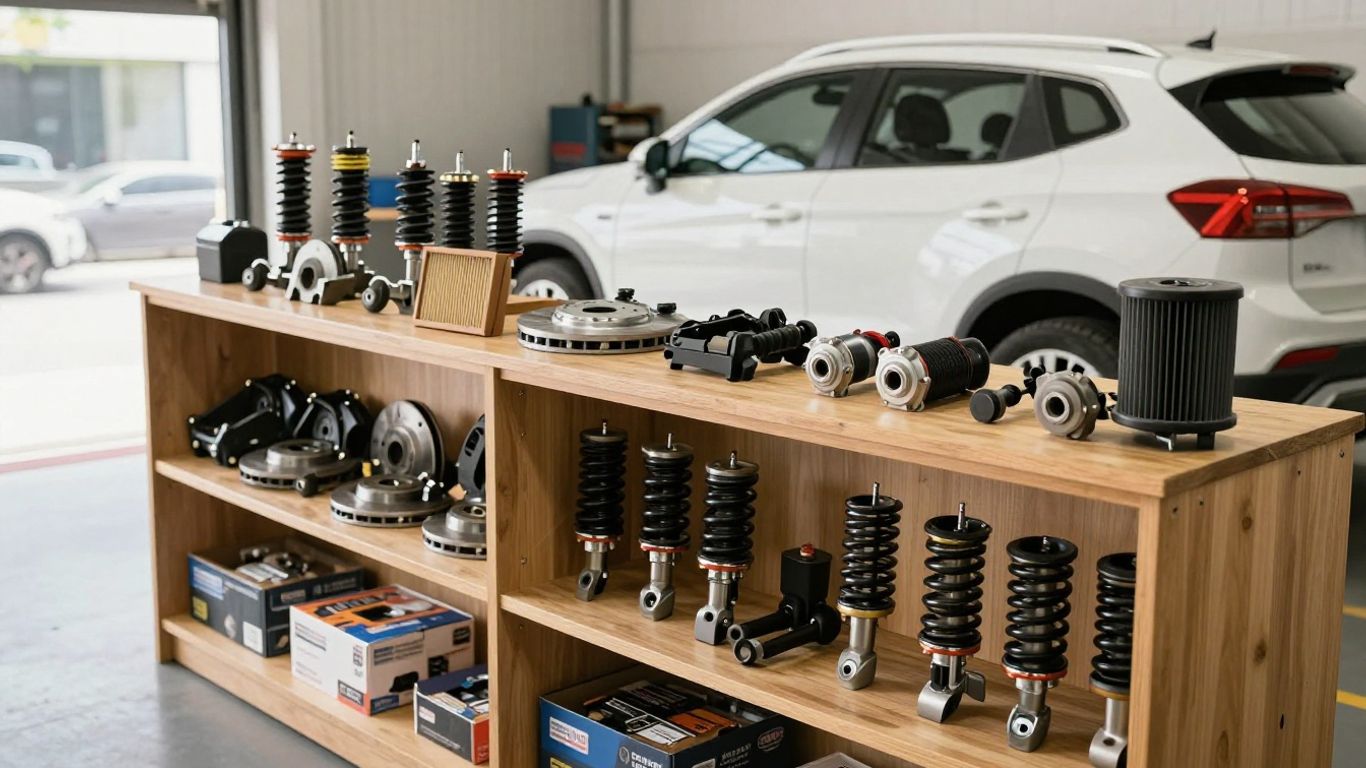
A short conversation with a supplier can often eliminate several unsuitable listings before you spend money or arrange installation.
Local dealerships and authorized parts departments
A local authorized parts department is a sensible first call when you need an exact catalog match, a less common component, or confirmation of a superseded number. Provide the VIN and ask whether the item is available locally, must be ordered, or has an estimated delivery time. The price may be higher than other channels, but catalog support can reduce the risk of ordering the wrong specification.
For a vehicle with uncertain history, a dealership inquiry can also establish the original application before you compare prices elsewhere. Treat the quoted availability and return conditions as part of the buying decision, not as minor details.
Independent European auto parts suppliers
Independent suppliers may be useful for routine maintenance items, common mechanical components, and aftermarket alternatives. Ask whether the staff can cross-reference the original number and whether the quoted part is intended for the exact engine, transmission, and drivetrain combination.
It is also worth asking how the part is packaged, whether it is immediately available, and what evidence is needed if it does not fit. A knowledgeable supplier should be comfortable discussing specification rather than making a promise based only on the vehicle’s badge.
Auto recyclers and used-parts yards
Recyclers can provide economical options for body panels, interior pieces, lights, mirrors, wheels, and selected mechanical components. Give them the Yeti’s year and body details, describe the required side or position, and ask for the donor vehicle information when it is available.
Used parts should be assessed according to their condition and function. A door trim may tolerate cosmetic wear, while a suspension or braking component requires much more careful scrutiny. Confirm the inspection process, exchange policy, and any warranty before collecting the part.
Online sellers serving Wollongong drivers
Online catalogs expand the search when local stock is limited, but they also make it easier to overlook a small fitment difference. Read the application notes, compare the seller’s stated engine and transmission coverage with your records, and check delivery timing before ordering.
Save screenshots or emails showing the listing details and fitment discussion. Those records can help if the item arrives incorrectly described, and they make a return conversation more straightforward.
Choosing between genuine, aftermarket, and used parts
There is no single best source for every repair. Genuine parts may offer the clearest catalog trail, aftermarket parts can provide more choice, and used components may make financial sense for older or cosmetic items. The decision should reflect the part’s safety role, expected service life, urgency, and the supplier’s return policy. A low purchase price is less attractive if installation must be repeated.
When genuine Skoda parts are worth the cost
Genuine parts are often worth considering when exact fit, a difficult-to-identify specification, or a safety-related repair matters more than the lowest initial price. They can also be practical when the vehicle has unusual equipment or when a specialist has confirmed that several revisions exist.
Ask what is included in the package. A component may be sold alone even though installation normally calls for clips, seals, fasteners, or related hardware. Confirming that detail prevents a second parts order and an additional workshop visit.
Evaluating aftermarket brands and warranties
Aftermarket parts should be judged by application data, manufacturing information, warranty terms, and supplier support rather than by price alone. Check whether the warranty covers the part only or also reasonable replacement labor, and ask what documentation is required for a claim.
For filters, belts, hoses, and braking components, compare the stated specification with the vehicle’s requirements. If the listing is vague, ask the supplier to verify the part number before ordering instead of assuming that a familiar brand or shape guarantees compatibility.
Inspecting used parts for wear and damage
Inspect used components in person where possible, or request clear photographs of mounting points, connectors, seals, and contact surfaces. Look for cracks, corrosion, distortion, missing fasteners, and signs of overheating. A donor part’s mileage and storage conditions may also matter, particularly for rubber, electrical, and rotating components.
Ask whether the item was tested, cleaned, or graded, and record the agreed condition on the invoice. For a body panel, color mismatch may be the main concern; for a mechanical part, hidden wear can outweigh an attractive price.
Balancing price, quality, and availability
A useful comparison includes the purchase price, freight, consumables, labor, return costs, and likely waiting time. The cheapest listing is not necessarily the least expensive repair if it delays the vehicle or fails during installation. Conversely, a genuine component may be unnecessary when a reputable aftermarket equivalent is readily available for a routine item.
The right choice is usually the one that meets the required specification with a clear path to replacement if something goes wrong. Write down the alternatives rather than making the decision from a single headline price.
Common Skoda Yeti parts that need replacement
Wear items eventually need attention on any vehicle, while age, road conditions, driving style, and maintenance history affect the timing. Brakes and suspension deserve prompt investigation when the vehicle pulls, vibrates, knocks, or takes longer to stop. Service items are easier to plan because they can often be tied to maintenance records. Parts availability should never override the need to correct a safety problem.
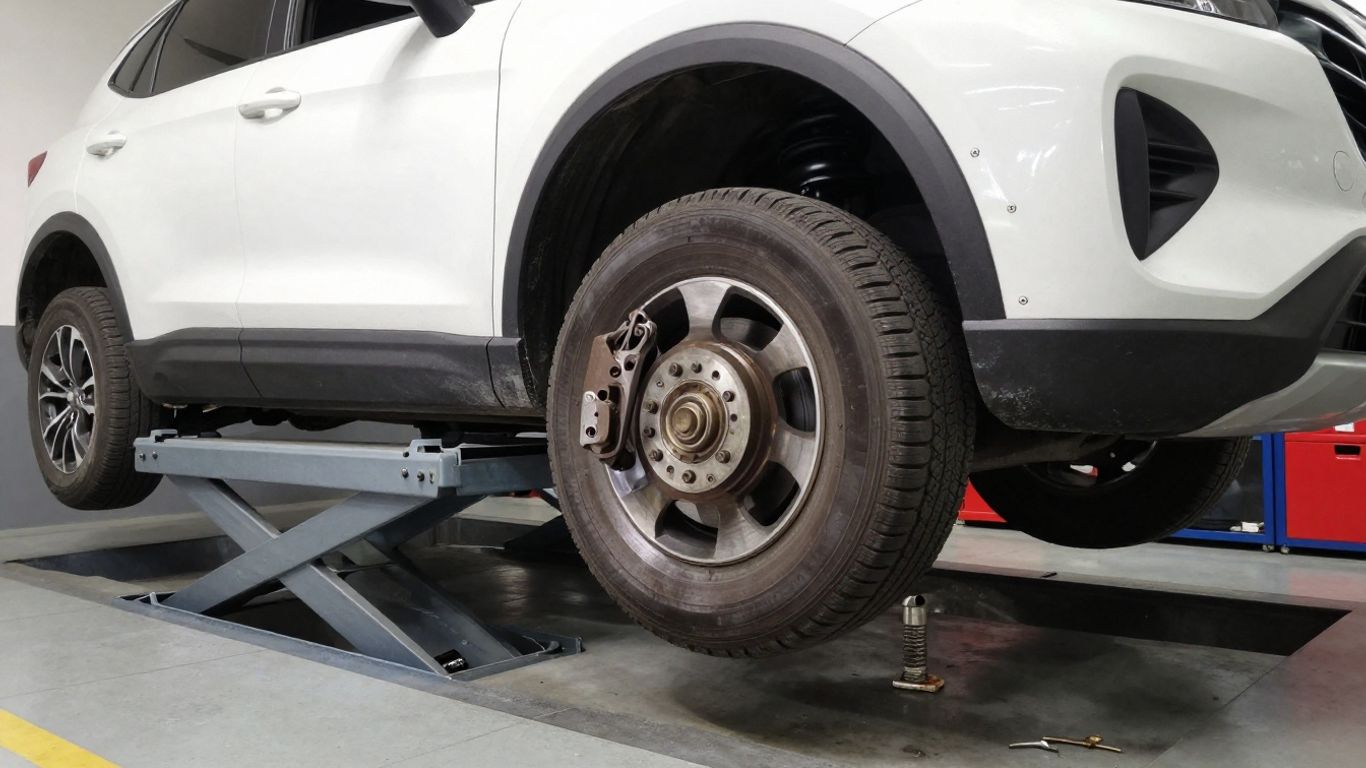
A visual inspection can narrow the search, but it cannot replace the correct service procedure or a proper diagnosis.
Brake pads, rotors, and braking hardware
Brake pads and rotors are common replacement items, but wear should be assessed as a system. Check pad thickness, rotor condition, braking vibration, caliper movement, and the condition of clips or shims. The correct component can vary with axle position, braking package, and vehicle specification.
Do not choose solely from a photograph. Confirm the dimensions and application, and replace associated hardware when the repair method or condition calls for it. Any warning light, fluid leak, severe pull, or grinding noise warrants prompt professional attention.
Suspension components and wheel bearings
Struts, shocks, springs, control arms, bushings, links, and wheel bearings can produce overlapping symptoms. A knocking noise does not identify one part by itself, and replacing a visually similar component may leave the actual fault untouched. Diagnosis should include a physical inspection and, where appropriate, checks for play or uneven wear.
After suspension work, ask whether alignment is required and whether nearby fasteners or protective components should also be checked. A part that fits physically can still create handling problems if the underlying condition is ignored.
Timing belt kits and water pumps
If the engine uses a timing belt, replacement planning should follow the documented service schedule and the vehicle’s maintenance history. A timing belt kit may involve more than the belt itself, while the water pump can be associated with the same area of work depending on the engine and repair procedure.
Confirm the exact engine before buying a kit, then ask the installer what components are included and what additional seals or tensioners are recommended. This is work where incorrect timing or inadequate tension can cause serious engine damage, so professional installation is generally the safer approach.
Filters, belts, hoses, and other service items
Air, oil, fuel, and cabin filters are relatively routine, but they still need the correct dimensions and service specification. Drive belts and hoses should be checked for cracking, fraying, glazing, swelling, or contamination. A service history helps distinguish a scheduled replacement from a symptom that needs diagnosis.
For these lower-cost items, bundling a few confirmed parts into one service visit may reduce time and freight. Even so, do not substitute a near-match when the supplier cannot confirm the application.
How to verify part compatibility before buying
Compatibility checking is a short process that can prevent a costly return. Start with the VIN and original part number, then compare the technical details in the listing. Confirm position, dimensions, connectors, and included hardware where relevant. If the vehicle has been imported, modified, or repaired with non-original components, allow extra time for verification.
Comparing part numbers across listings
Put the original number beside each seller’s number and look for exact matches, documented supersessions, or a clear cross-reference. Do not treat a number that is merely similar as confirmation. Some suffixes identify revisions, sides, finishes, or different equipment levels.
A supplier should be able to explain why two numbers are considered equivalent. If the explanation is absent, ask for written confirmation before payment and retain it with the order details.
Checking engine and transmission specifications
Read the complete application range, including engine code, transmission type, drivetrain, production dates, and axle or body position. A listing that covers several engines may still exclude yours. Service documents and the VIN can resolve uncertainty when the online description is incomplete.
Where possible, compare the old component’s dimensions, connector arrangement, and mounting points with the proposed replacement. This does not replace catalog verification, but it can reveal an obvious mismatch before installation.
Confirming left- and right-side applications
Many parts are handed, including mirrors, lights, suspension components, brake assemblies, and some body fittings. State the side from the driver’s seated position or use the supplier’s stated convention, since left and right descriptions can vary between markets.
Ask whether the part is supplied as a single item or a pair. Confirming that detail avoids ordering one side when both are needed, or paying for a pair when only one replacement is appropriate.
Avoiding issues with imported or modified vehicles
Imported vehicles may have different equipment, market specifications, connectors, or catalog references. Modifications such as suspension changes, replacement wheels, engine work, or non-standard lighting can create further uncertainty. Tell the supplier about known changes instead of presenting the vehicle as completely standard.
Photographs and measurements are useful, but the safest approach is to have a qualified parts professional or technician inspect an unusual application. When the listing is ambiguous, postponing the order is usually cheaper than forcing an incorrect part to fit.
Buying and installing Skoda Yeti parts safely
Safe purchasing includes more than finding a component that appears to match. Confirm what you are buying, who will install it, how long the repair will take, and what happens if the part is incorrect or defective. Keep the invoice, part number, and supplier correspondence together. That small record can save time later.
Questions to ask a local parts supplier
Ask the supplier to confirm the part number, vehicle application, stock status, delivery estimate, included hardware, condition, and warranty. For used parts, ask about donor details, testing, mileage where known, and visible damage. For aftermarket parts, clarify the manufacturer and the precise warranty process.
It is also useful to ask about returns before paying, especially for electrical items or special orders. A clear answer is more valuable than a confident but unsupported assurance that the part will fit.
Estimating total costs for parts and labor
A realistic estimate combines the part, freight, shop supplies, diagnostic time, labor, taxes, and any related items that should be replaced during the job. Timing work, suspension repairs, and brake jobs can involve additional hardware or follow-up checks. Ask the workshop whether the quote is fixed or subject to inspection.
The comparison below helps separate the visible purchase price from the full repair decision.
| Cost area | What to confirm | Why it matters |
|---|---|---|
| Part | Exact number, condition, and included hardware | Prevents missing components |
| Delivery | Freight price and expected arrival | Affects downtime and budget |
| Labor | Hourly rate, estimated time, and procedure | Shows the likely installation cost |
| Follow-up | Alignment, testing, or diagnostic checks | Captures related work |
| Warranty | Coverage, exclusions, and claim process | Defines protection after installation |
After adding these items, compare complete repair options rather than isolated part prices. A slightly more expensive component may be preferable if it arrives sooner and carries clearer support.
Deciding which repairs require a qualified technician
Brake, steering, suspension, timing, airbag, fuel, and major electrical repairs can have serious consequences when performed incorrectly. A qualified technician has the equipment and procedures needed for diagnosis, torque settings, testing, and post-repair checks. This is particularly important when the fault is not fully established.
When a repair affects stopping, steering, restraint, or engine timing, prioritize correct diagnosis and installation over convenience.
That principle does not mean every service task requires a workshop. It does mean the decision should reflect the risk of failure, the tools required, and whether an error could make the vehicle unsafe.
Checking fitment and warranty coverage after installation
Before accepting the vehicle, ask the installer to confirm that the part fitted matches the invoice and that any required tests have been completed. Check for warning lights, unusual noises, fluid leaks, steering changes, or braking abnormalities during the agreed inspection or road test. Keep the old component and packaging until the repair is accepted where practical.
Read the warranty conditions while the details are fresh. Some claims require proof of professional installation, regular maintenance, or prompt reporting of a fault. Recording the date, mileage, supplier, and installer gives you a useful service trail.
Conclusion
The most reliable way to find Skoda Yeti parts Wollongong is to slow down at the identification stage, verify the VIN and part number, and compare complete repair costs rather than isolated prices. Local suppliers, recyclers, and online sellers can all be useful when their information is checked carefully. For safety-critical or technically complex work, pairing the right part with qualified installation is what turns a purchase into a sound repair.