Key Takeaways
Buying a recycled Kodiaq component can be practical when you verify fitment, condition, and total cost before paying.
- Confirm the part number, model year, engine, and VIN before ordering.
- Ask whether the component is tested, refurbished, or sold as-is.
- Compare the part price with delivery, fitting, and possible return costs.
- Treat safety, electronic, steering, and suspension components with extra care.
- Use responsible recycling practices when removing or replacing damaged parts.
Understanding how Skoda Kodiaq wreckers Perth can help
Vehicle wreckers can provide a useful source of replacement components when a new part is expensive, backordered, or unnecessary for an older vehicle. A recycled part may also preserve the original design and connectors used in your Kodiaq. The sensible approach is to treat every listing as a starting point for verification, not an automatic match. With the right questions, Skoda Kodiaq wreckers Perth can help narrow the search without turning the purchase into guesswork.
Common reasons to choose used Kodiaq parts
The main attraction is usually price, but cost is only part of the decision. A used component can be a reasonable choice for cosmetic repairs, interior replacements, or a vehicle that does not justify the price of a new assembly. It may also be available sooner than a special-order item. Condition matters more than age when comparing two otherwise suitable parts.
Before buying, consider how critical the component is, how difficult it will be to install, and whether a warranty is included. A small saving is less appealing if the part needs extra repairs or has to be removed again.
Parts typically available from vehicle wreckers
Stock varies with the vehicles recently dismantled, but wreckers commonly handle a broad mix of body, cabin, mechanical, and electrical components. Ask for photographs of the actual item rather than relying only on a generic catalog image. That makes it easier to spot differences in trim, connectors, color, or mounting points.
Common possibilities include doors, mirrors, lights, bumpers, seats, interior trim, wheels, engine components, transmissions, cooling parts, and suspension hardware. Availability should always be confirmed for the exact vehicle configuration.
Compatible model years and trim levels
Kodiaq parts can differ between model years, engine options, drivetrains, equipment packages, and market specifications. A panel may physically fit while carrying a different sensor opening, molding, or finish. Mechanical and electronic components can have even less obvious differences.
Give the seller the build year, engine type, transmission, drivetrain, trim level, and any relevant options. If the vehicle has been modified, mention that as well. Compatibility is strongest when several identifiers agree rather than when the model name is the only match.
When a used part is better than a new replacement
A used part often makes sense when the original design is durable and the replacement has been inspected. Exterior panels and undamaged interior pieces are common examples, particularly when paint matching or factory appearance matters. Some mechanical assemblies may also be worthwhile if their history and testing are clear.
For components involved in occupant protection, braking, or steering, the decision should be more cautious. Compare the used option with a new or professionally refurbished alternative, then factor in installation and testing before deciding.
Finding the right Skoda Kodiaq part
Correct identification is the foundation of a successful parts purchase. Model names alone are not precise enough because one vehicle line can contain several engines, equipment levels, and production updates. Take clear photographs and collect the vehicle details before contacting a wrecker. This preparation usually saves more time than sending repeated corrections later.
Identifying the exact part number
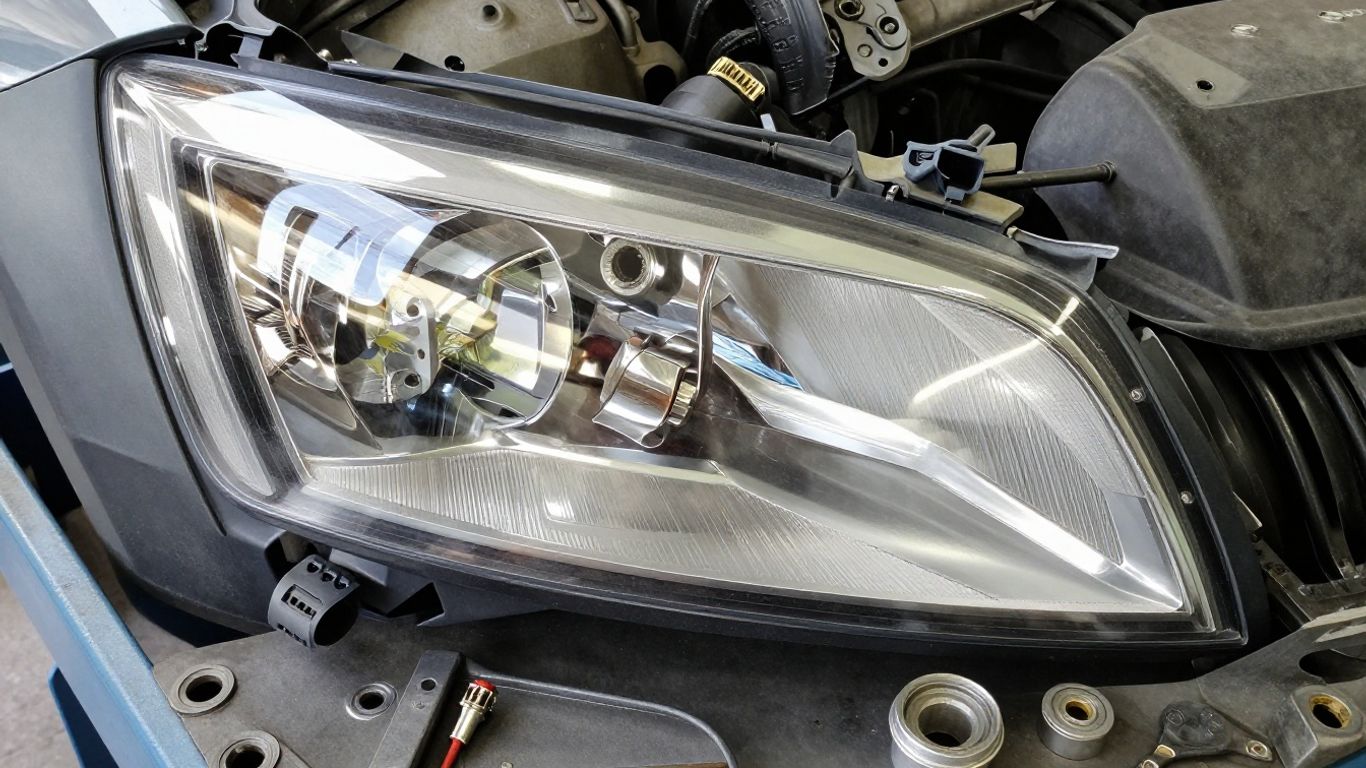
The part number may be printed, stamped, molded, or recorded in the vehicle’s documentation. Photograph it carefully, including any suffixes or revision letters, because those small characters can distinguish related versions. If the number is missing, describe the component’s location and provide several close-up images.
A seller may offer an equivalent revision, but that should be confirmed rather than assumed. Compare connector shapes, mounting holes, dimensions, and visible labels before accepting a substitute.
Matching parts by model year and engine
Start with the production year, then add engine size or code, fuel type, transmission, and drivetrain. These details can affect exhaust parts, cooling systems, wiring, transmissions, driveshafts, and control modules. Even when two vehicles look identical, their underlying assemblies may not be interchangeable.
A clear description such as “front left door shell” is more useful when paired with the vehicle’s complete specification. Ask whether the quoted part came from a vehicle with the same engine and drivetrain where that distinction could affect fitment.
Checking compatibility for right-hand-drive vehicles
A Perth vehicle will generally require right-hand-drive compatibility, but that does not make every cabin or steering-related part interchangeable. Dashboard components, pedal assemblies, steering parts, wiring, mirrors, and some trim pieces may differ between driving sides. Confirm the side explicitly before ordering.
Photos can help identify handed components. For electrical items, request images of the plugs and mounting points, since a visually similar part can still use a different connection.
Using your VIN to reduce ordering mistakes
The vehicle identification number gives the seller a more reliable reference than a broad model description. Share it through an appropriate channel and ask the seller to use it alongside the part number and vehicle details. A VIN check can expose differences that are difficult to see from photographs alone.
It is still wise to confirm the physical match before installation. VIN information improves the search, but it does not replace checking the delivered part for damage, connectors, and mounting points.
Assessing the quality of used Kodiaq parts
A recycled part is only good value when its condition suits the job. Ask how it was removed, whether it was tested, and what damage the donor vehicle had before dismantling. For larger assemblies, request operating information, inspection notes, or photographs of important surfaces. A calm, specific inspection is more useful than a vague promise that a component is “good.”
Inspecting body panels and exterior components
Check panels for creases, stretched metal, corrosion, cracked mounts, and repairs that may not show in a distant photograph. For bumpers and grilles, inspect tabs and brackets because missing mounting points can make an apparently attractive part difficult to fit. Glass, lamps, and mirrors should be checked for chips, moisture, clouding, or broken adjustment mechanisms.
Paint color is another practical concern. The same color name can appear different after exposure to weather, so ask for the paint code where a close visual match matters. Budget for blending if the replacement is not a perfect match.
Evaluating engines, transmissions, and mechanical parts
Large mechanical components deserve questions about mileage, testing, oil contamination, leaks, compression where relevant, and the completeness of included accessories. Clarify whether the price covers the bare assembly or items such as sensors, manifolds, starter motors, mounts, or wiring. Those omissions can change the real cost substantially.
For transmissions, confirm the type, identification code, and included components. A professional inspection before installation is sensible, particularly when the part will be difficult or expensive to remove later.
Checking electronic and safety-related components
Electronic parts should be matched by number, connector, and vehicle system rather than appearance alone. Ask whether a module was tested and whether programming, coding, or calibration may be needed. Airbag-related parts, pretensioners, cameras, radar units, and other safety equipment require especially careful handling and professional verification.
Do not assume that a warning light will disappear simply because a replacement has been fitted. Fault scanning and system calibration may be necessary before the vehicle is ready for normal use.
Understanding tested, refurbished, and sold-as-is conditions
These descriptions should have practical meanings in the seller’s terms. “Tested” might refer to a basic function check, while “refurbished” could involve cleaning, replacement components, or a more extensive inspection. “Sold as-is” usually means the buyer carries more risk, so the low price needs to compensate for that uncertainty.
Ask what was tested, when it was tested, and what is excluded from the warranty. Written answers are useful if the condition of the part becomes disputed later.
A cheap component is valuable only when its condition, compatibility, and installation risk are understood.
That principle helps keep a low purchase price in perspective. The right comparison is not simply used against new; it is usable, correctly matched, and supported against an option that may cost more upfront.
Comparing prices from Perth Skoda wreckers
Prices vary because recycled parts are not identical commodities. Condition, rarity, demand, completeness, and the effort required to remove and prepare a component all affect the quote. Get the price for the actual part, not just an approximate figure from a search result. Then compare what is included before choosing the cheapest listing.
Factors that affect used part prices
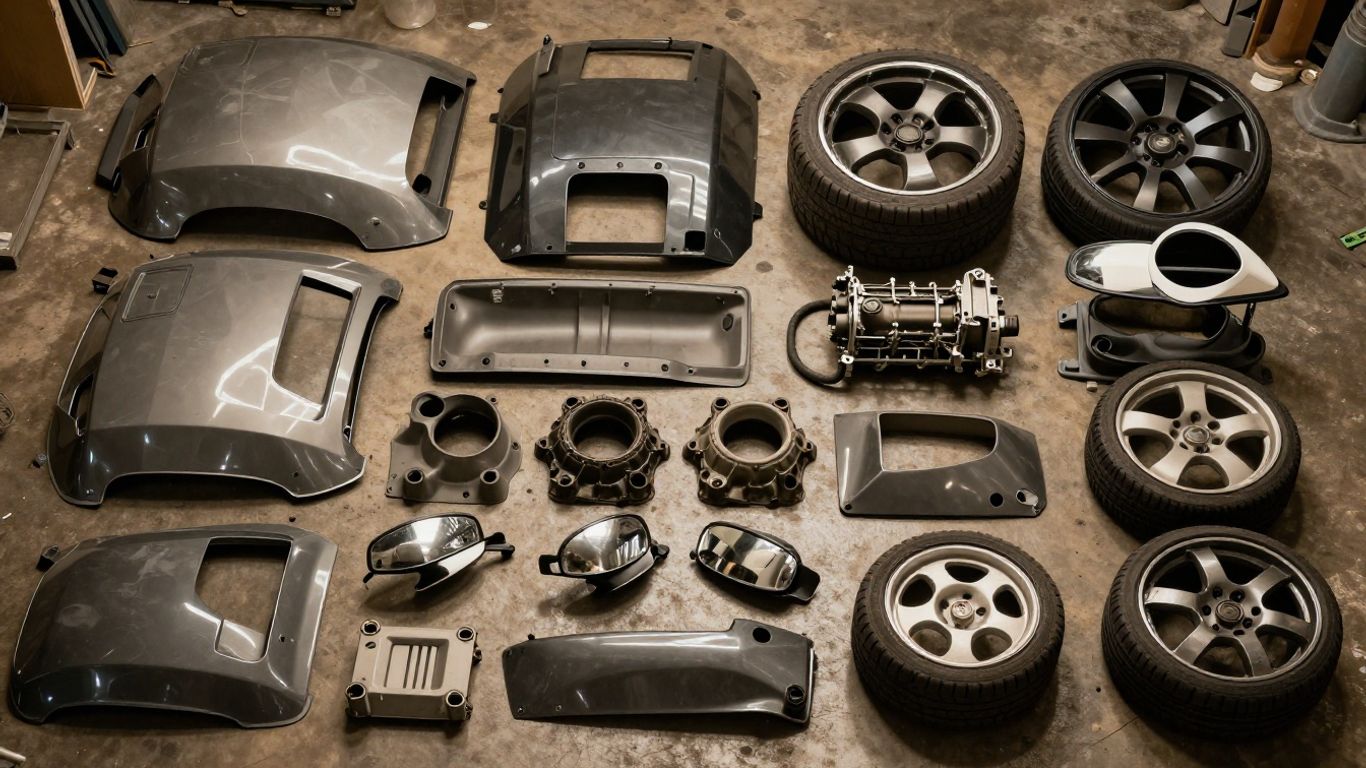
A complete assembly with documented testing generally costs more than an untested bare unit. Rare trim, undamaged panels, low-use components, and parts in an uncommon color may also command a higher price. Location matters because freight, packaging, and handling can add considerably to bulky or fragile items.
Ask whether the price includes brackets, wiring, sensors, keys, covers, or other attached pieces. A slightly higher quote can be better value if it avoids sourcing those items separately.
Comparing genuine, aftermarket, and recycled parts
Genuine parts are made for the vehicle, aftermarket parts come from independent manufacturers, and recycled parts are recovered from another vehicle. Each category can suit a different repair. Compare construction, warranty, expected service life, fitment confidence, and availability rather than treating the categories as interchangeable.
For a visible panel, an original recycled item may offer a close factory fit. For a service item, a reputable new alternative may be easier to justify. The best choice depends on the component and the vehicle’s condition.
Accounting for shipping, fitting, and return costs
The advertised part price is only one line in the budget. Add freight, insurance, packaging, workshop labor, diagnosis, programming, fluids, seals, and any core or disposal charge that applies. For a heavy engine or transmission, request a delivered quote before committing.
Return terms matter just as much as delivery terms. A part that cannot be returned after installation may need more careful inspection and stronger compatibility confirmation before purchase.
Recognizing unusually cheap or incomplete listings
An unusually low price may indicate missing accessories, cosmetic damage, uncertain history, limited testing, or a price that excludes freight. Read the description for phrases such as bare unit, damaged tabs, exchange basis, or sold-as-is. If the listing is unclear, ask direct questions instead of filling the gaps with assumptions.
Request current photographs and a written list of inclusions. That simple step can reveal why one quote is lower and whether the saving is genuine.
Buying and collecting parts in Perth
Once the part is identified, the transaction still needs careful handling. Confirm the seller’s stock, condition, price, and collection or delivery arrangements in writing. For local purchases, inspect the component before loading it where possible. A few minutes spent checking the item can prevent a difficult return trip.
Questions to ask before confirming an order
Ask for the donor vehicle’s year, engine, transmission, drivetrain, mileage where relevant, and reason for dismantling. Confirm the exact part number, included accessories, testing performed, visible damage, warranty period, and return conditions. Also ask whether the part is ready for collection or still needs removal and preparation.
Keep the questions focused on the component you are buying. A clear written record reduces confusion when several similar parts are being discussed.
Arranging local pickup or delivery
Measure the part and check that your vehicle can carry it safely. Large panels, glass, engines, and transmissions may need suitable restraints, protective wrapping, or a freight service. Ask how the part will be packaged and whether delivery access requirements apply.
At pickup, compare the component with the photographs and description before signing. Record existing scratches, dents, or missing fittings so they are not mistaken for transport damage later.
Confirming warranties and return policies
A warranty should state what is covered, how long coverage lasts, and what conditions the buyer must meet. Clarify whether labor, diagnosis, freight, seals, fluids, and consequential costs are excluded. For electronic or coded components, ask whether incorrect programming or failed calibration affects eligibility.
Read the return process carefully. Some sellers require immediate notification, photographs, or inspection before authorizing a return, while others may restrict returns for special orders or installed parts.
Preparing damaged parts for responsible recycling
When replacing a damaged component, separate materials where practical and keep fluids, batteries, airbags, and electronic equipment out of ordinary household waste. A wrecker or licensed recycling facility can explain the correct handling route. Drainage and storage should follow local safety requirements.
Keep reusable fasteners and brackets only when their condition is known. Otherwise, label the old part and arrange responsible disposal rather than leaving hazardous or sharp components loose.
Installing and maintaining recycled Kodiaq parts
Installation quality influences whether a used part delivers good value. Some components are straightforward replacements, while others affect alignment, programming, sealing, or occupant safety. Before fitting anything, compare the old and replacement parts side by side and resolve differences early. Do not force a component into place simply because the listing said it would fit.
When professional installation is recommended
Professional fitting is strongly advisable for engines, transmissions, braking systems, suspension, steering, airbags, seat belts, and parts requiring coding or calibration. A qualified technician can identify related faults and verify the repair afterward. This is especially useful when a mistake could compromise safety or create expensive follow-up work.
For smaller trim or exterior items, an experienced owner may manage the installation with the correct tools. Even then, follow the repair instructions and protect clips, wiring, and painted surfaces.
Calibrating sensors and electronic systems
Cameras, radar units, parking sensors, control modules, and other electronic components may need scanning, coding, initialization, or calibration after replacement. The exact requirement depends on the system and vehicle configuration. Ask the installer what diagnostic work is expected before accepting a low fitting estimate.
A successful physical installation does not prove that the system is operating correctly. Warning lights, stored faults, and unusual behavior should be investigated before regular driving.
Checking brakes, suspension, and steering components
Inspect replacement brake, suspension, and steering parts for corrosion, damaged threads, worn bushes, bent mounts, and contaminated friction surfaces. Compare dimensions and mounting points with the removed component. Fasteners should be tightened using the correct procedure, and wheel alignment may be necessary after suspension or steering work.
A road test should follow the repair in a controlled setting. Listen for knocks, check tracking and braking behavior, and stop immediately if the vehicle feels unstable.
Maintaining replacement parts for longer service life
Maintenance starts with correct installation and continues with regular inspection. Keep painted surfaces clean, protect exposed metal from corrosion, and follow the vehicle’s service schedule for fluids, filters, brakes, and suspension checks. Pay attention to new noises, leaks, warning lights, or changes in handling.
Keep the invoice, part number, donor details, and installation date with the vehicle records. Those details make future servicing and any warranty discussion much easier.
Conclusion
Finding quality used Kodiaq parts in Perth is mainly a matter of careful identification, honest condition checks, and realistic cost comparisons. Verify the VIN and part number, understand what the price includes, and use professional installation for safety-critical or electronically controlled components. A measured approach can make recycled parts a sensible part of maintaining your vehicle.