Key Takeaways
Buying a used Skoda part can be a sensible way to control repair costs, provided you confirm compatibility and understand the part’s condition before paying.
- Identify the exact Skoda model, year, variant, engine, and transmission.
- Use the VIN and part number to reduce compatibility errors.
- Compare the total cost, including freight, fitting, and inspection.
- Ask about testing, mileage, warranty coverage, and returns.
- Choose a wrecker with clear processes and responsible recycling standards.
What Skoda wreckers Hobart can help you with
Skoda wreckers Hobart can be useful when a repair does not justify buying every component new. A dismantler may have parts from vehicles that are no longer economical to repair, including mechanical assemblies, body panels, interior pieces, and electronics. The right supplier can also help you identify what you need before you commit to a purchase.
The quality of the experience depends on more than the size of an inventory. Clear identification, honest descriptions, and practical customer support matter just as much when you are trying to get a car back on the road.
Salvageable parts for common Skoda models
Parts may be available from popular Skoda lines such as the Octavia, Fabia, Superb, Kodiaq, and Yeti, although stock changes as vehicles are dismantled and sold. A used part from the same model family is not automatically suitable, so treat the model name as a starting point rather than proof of compatibility.
Ask whether the component came from the same generation and trim level as your vehicle. Small differences in mounting points, wiring, software, or body shape can make an apparently similar part unusable.
Mechanical, electrical, and body components
A typical search may cover engines, transmissions, suspension pieces, radiators, alternators, doors, guards, mirrors, lights, dashboards, and control units. Some parts are relatively straightforward to inspect visually, while others need testing or a technician’s assessment before they can be judged properly.
When requesting a quote, describe the symptom as well as the part name. A wrecker may then help you avoid replacing a component that was never the source of the fault.
Vehicle dismantling and end-of-life recycling
Dismantling an end-of-life Skoda involves separating reusable components from materials that need recycling or disposal. Fluids, batteries, tires, metals, glass, and plastics should be handled through appropriate channels rather than treated as ordinary household waste.
A responsible yard keeps parts organised and protects stored vehicles from unnecessary weather exposure and damage. That usually makes the buying process easier too, because a clean, traceable component is simpler to inspect and describe.
Cash offers and vehicle removal services
Some wreckers also assess unwanted or damaged vehicles and may make a cash offer. The value can depend on the model, age, condition, completeness, and demand for its parts. If removal is available, confirm whether it is included in the offer and what paperwork is required before arranging collection.
Do not assume a vehicle is worth more simply because it still starts. A written or clearly explained assessment gives you a better basis for comparing offers and deciding whether selling the car or repairing it makes more sense.
How to find the right used Skoda parts
The safest used-part search starts with accurate vehicle information. Model names alone are often too broad, especially when a model has several engines, transmissions, facelifts, or equipment levels. Spend a few minutes gathering the details before contacting a supplier.
A careful match can prevent two common problems: receiving a part that cannot be installed and paying twice because the first purchase was based on an assumption. The goal is not merely to find a cheap component, but to find one that suits the car in front of you.
Identifying your model, year, and variant
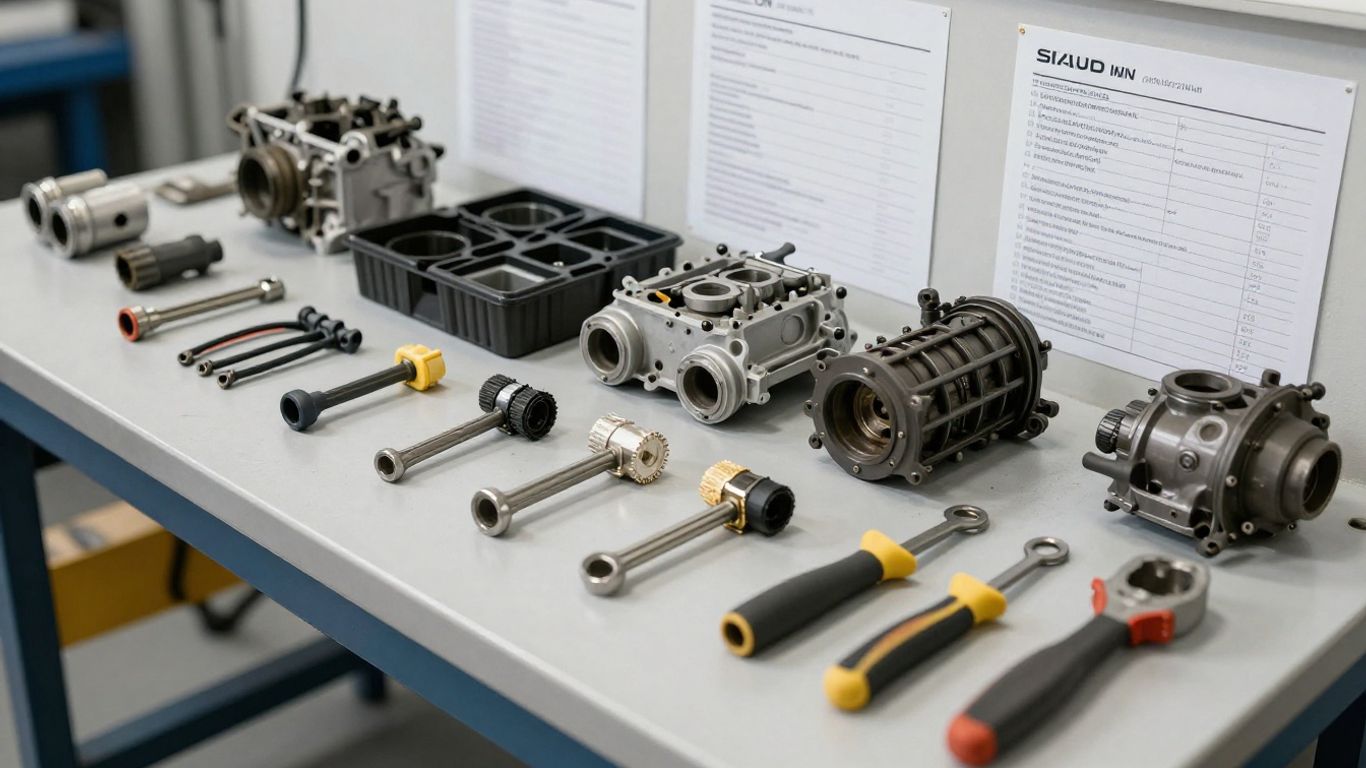
Record the model, build year, body style, trim, engine size, and transmission type. The build date may be more useful than the registration year, since a vehicle can be registered after it was manufactured. Features such as four-wheel drive, diesel equipment, or a particular infotainment system can also affect the match.
Take photographs of the existing part, its connectors, and its mounting points. These images can help a supplier spot visible differences before a part is shipped.
Matching engine and transmission specifications
Engine and transmission codes are more reliable than a general description such as “1.8-liter Skoda.” Two vehicles with similar displacement may use different components, software, cooling arrangements, or gear ratios. Ask for the code where possible, and compare it with the information in your service records or vehicle documentation.
For a drivetrain purchase, also clarify whether the quoted item includes attached accessories, sensors, wiring, or the torque converter. Those details can change both the price and the labor required.
Checking part numbers and compatibility
A part number provides a useful reference, but it should still be checked against the full vehicle details. Manufacturers may supersede a number, use different revisions, or fit one component across several related vehicles with small variations.
Give the supplier the VIN and ask them to confirm the match in writing. Compatibility confirmation matters because a part that looks identical can still require different programming, connectors, or brackets.
Comparing used, reconditioned, and new alternatives
Used parts are not always the cheapest option once labor and freight are included. A reconditioned assembly may cost more initially but offer a clearer inspection process, while a new aftermarket component may be preferable for a high-wear or safety-related item.
Compare each option on condition, expected service life, availability, warranty, and installation cost. For critical components, ask a qualified mechanic whether the saving is worth the additional uncertainty.
The most sought-after Skoda parts
Demand tends to follow repair frequency, vehicle age, and the cost of buying a replacement new. Mechanical assemblies can be expensive, while body and interior parts are often sought after after collisions or cosmetic damage. Electrical components are another common request because diagnosis can be difficult and new modules may require programming.
Availability is always variable. A part that is common one week may be gone the next, so it helps to know which details are essential and which alternatives your mechanic would accept.
Engines, gearboxes, and drivetrain components
Engines and gearboxes require especially careful checking because they are costly to transport and install. Ask for mileage, donor-vehicle details, compression or operational testing where applicable, and a list of included accessories. For transmissions, confirm the code, drive configuration, and whether the unit is manual or automatic.
A lower purchase price may not remain attractive if seals, fluids, clutches, mounts, or ancillary components need replacement before installation. Get those likely costs into your comparison from the beginning.
Doors, guards, bonnets, and bumpers
Body panels can be a practical used purchase when the replacement matches the vehicle’s shape and finish. Check for dents, rust, previous repairs, broken mounting tabs, and differences between standard and sport or facelift versions. Color matching may also vary because paint fades over time.
For doors and bumpers, ask whether trim, handles, sensors, grilles, or wiring are included. A bare panel and a complete assembly can have very different values.
Headlights, mirrors, and interior fittings
Headlights and mirrors may differ according to options such as automatic leveling, heating, folding, blind-spot monitoring, or LED equipment. Interior fittings can vary by trim, upholstery, left- or right-hand drive configuration, and airbag arrangement.
Request clear photos of the exact item rather than relying on a stock image. That makes it easier to see scratches, broken clips, clouding, stains, or missing covers before the part leaves the yard.
Sensors, control modules, and electrical parts
Sensors and control modules should be matched carefully because a physically similar unit may use different software or connectors. Ask whether the module is tested, whether it needs coding, and whether the supplier can provide the relevant part number.
Keep the failed component until the replacement is confirmed. Its label, connector layout, and casing can help resolve a disagreement about whether the fault lies in the module or elsewhere in the vehicle’s wiring.
How the Skoda parts-buying process works
A used-parts purchase usually becomes straightforward when the enquiry contains enough information from the start. Have the vehicle details, the required component, and any diagnostic information ready before you call or submit an online request. That reduces back-and-forth and gives the supplier a better chance of finding a genuine match.
Do not be rushed by a part that is described as the last one available. You still need to confirm condition, price, delivery arrangements, and what happens if the item does not fit.
Searching inventory online or by phone
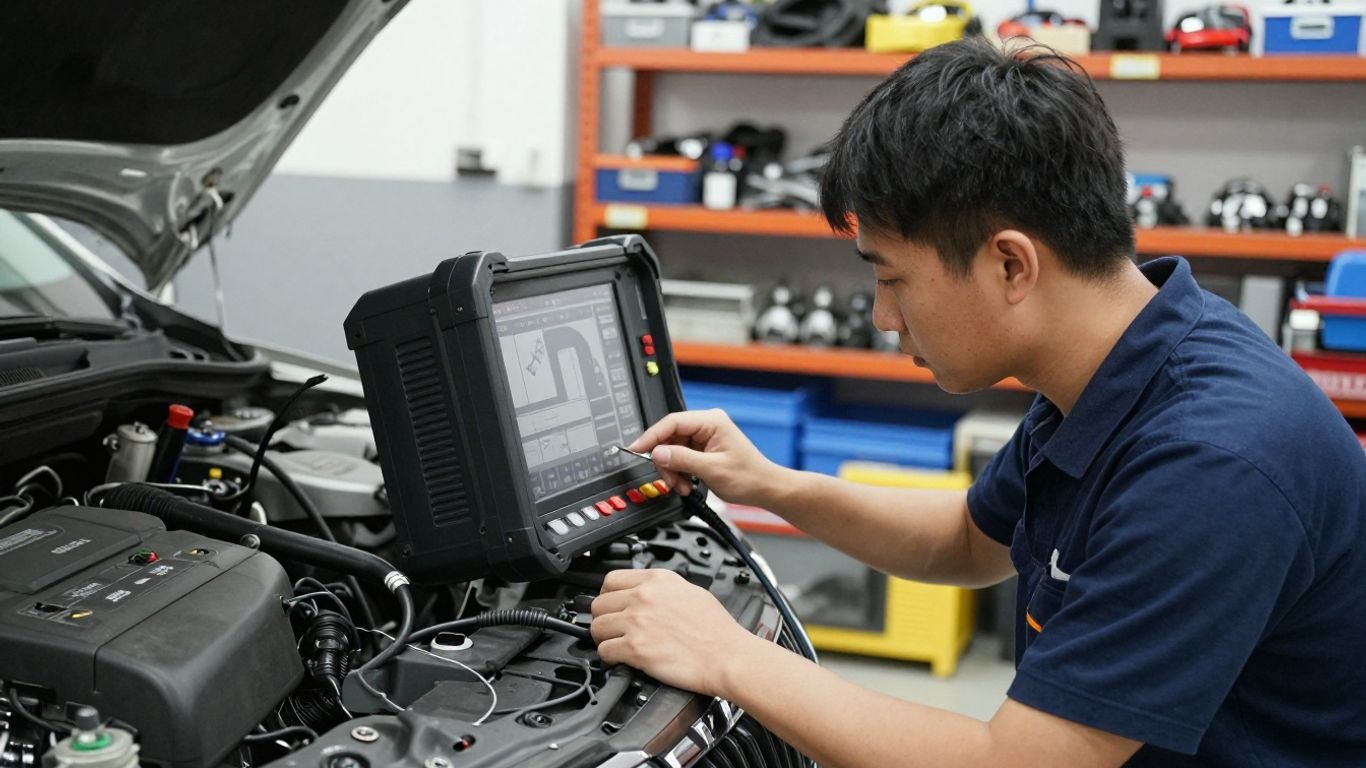
Online searches can help you learn what may be available, while a phone enquiry is often better for unusual parts or assemblies with several possible versions. Use the exact component name, but also describe the vehicle and the problem it is intended to solve.
If an item is not listed, ask whether incoming stock or a broader supplier network may be checked. An unavailable listing does not always mean the part cannot be sourced, but it should not be treated as a promise.
Providing a vehicle identification number
The VIN gives a supplier a more precise reference than the model badge alone. Provide it along with the build year and any engine or transmission code you have. You can usually find the VIN on the vehicle, registration documents, or service records.
Before sharing details, make sure you are dealing with a legitimate business and understand why the information is being requested. The VIN is for matching the part, not a substitute for confirming the component itself.
Confirming condition, mileage, and warranty coverage
Ask whether the part is tested, inspected, or sold as untested. For engines and transmissions, confirm donor mileage and what operational checks were performed. For cosmetic components, request photographs of the actual item and ask about repaired or missing sections.
Warranty terms should be specific. Check the coverage period, exclusions, installation requirements, labor reimbursement, and process for reporting a fault. A short written summary is more useful than a vague assurance over the phone.
Arranging collection or delivery around Hobart
Confirm the delivery address, freight charge, estimated timing, and packaging before payment. Large panels and heavy mechanical parts need different handling, and damage in transit can complicate an otherwise good purchase.
If collecting locally, bring suitable transport and enough help for bulky items. Inspect the package or component promptly, retain photographs of its condition on arrival, and contact the supplier quickly if anything differs from the agreement.
How to compare prices and avoid costly mistakes
A low advertised price is only one part of the decision. The real comparison includes the part’s condition, completeness, warranty, freight, installation, and the risk of having to remove it again. A slightly dearer component can be better value when its history and compatibility are clearer.
Keep quotes together and compare like with like. If one quote includes accessories or testing and another does not, the numbers are not yet directly comparable.
Evaluating quotes from local wreckers
Request the exact part number, condition, donor information, price, warranty, and availability in the same enquiry. Ask whether the price includes tax, packaging, or delivery. If the supplier cannot answer every question immediately, ask what will be confirmed before the sale.
A simple comparison table can expose missing information without making the decision feel more complicated.
| Item to compare | Quote A | Quote B | Quote C |
|---|---|---|---|
| Part number and variant | Confirmed or pending | Confirmed or pending | Confirmed or pending |
| Condition and testing | Documented details | Documented details | Documented details |
| Warranty and returns | Written terms | Written terms | Written terms |
| Freight and total price | Included costs | Included costs | Included costs |
Use the table as a prompt for follow-up, not as proof that the cheapest quote is the right one. The missing answer to one important question can outweigh a modest difference in price.
Factoring in fitting, freight, and inspection costs
Installation can be a major part of the final bill, especially for engines, gearboxes, modules, and components that require calibration. Freight may also be higher for fragile or oversized items. Ask your mechanic for a realistic labor estimate before committing.
For safety-related parts, allow for inspection and any required testing after installation. Saving money on the component does not help if the vehicle still needs another repair before it is safe to drive.
Checking return policies and guarantees
Read the return policy before payment, including deadlines, restocking fees, freight responsibility, and exclusions for incorrectly supplied vehicle information. Some suppliers require professional installation or proof of testing before considering a warranty claim.
Keep the invoice, messages, photographs, and packaging. Those records make it easier to explain the problem and establish whether the part was damaged in transit, incorrectly matched, or faulty.
Recognising counterfeit, damaged, or incompatible parts
Be cautious when a listing has unclear photographs, an unusually low price, missing labels, or pressure to pay before basic questions are answered. Check markings, connectors, mounting points, and the condition of seals and housings when the part arrives.
A part is only a bargain when it fits, performs as expected, and costs less overall.
If anything looks wrong, pause before installation. Contact the supplier with photographs and the vehicle details, then follow the agreed return process rather than modifying the component or discarding its packaging.
Choosing a reliable Skoda wrecker in Hobart
A reliable supplier should make it easy to understand what is being sold and what support follows the sale. Look for consistent communication, traceable descriptions, and a willingness to discuss compatibility rather than simply naming a price. Reviews can provide useful clues, but they should be considered alongside the business’s current processes.
The best choice is usually the provider that gives you enough information to make a calm decision. That may not be the provider with the largest-looking inventory or the fastest one-line quote.
Verifying licensing, reviews, and industry experience
Check that the business operates lawfully and has experience handling used vehicle parts. Current reviews can reveal patterns involving communication, packaging, accuracy, or returns, while older reviews may reflect processes that have since changed.
Ask direct questions about the part you need. A knowledgeable answer about variants, codes, and condition is more valuable than a broad claim about being the cheapest.
Assessing storage, testing, and dismantling standards
If you can visit the yard, observe whether parts are labelled, protected, and stored in a way that limits avoidable damage. Ask how mechanical and electrical components are tested and whether donor information is recorded.
You do not need a tour of every work area to assess professionalism. Clear answers, orderly handling, and consistent documentation are practical signs that the supplier takes part quality seriously.
Looking for environmentally responsible recycling practices
Vehicle recycling should recover usable components and materials while keeping hazardous substances out of ordinary waste. Ask how fluids, batteries, tires, glass, and scrap metal are managed if environmental practices are a deciding factor for you.
Responsible recycling also supports better parts reuse. Removing and storing a component carefully gives it a better chance of serving another vehicle instead of becoming unnecessary waste.
Selecting a provider with dependable customer support
Customer support matters most when a part is delayed, arrives damaged, or turns out not to match the vehicle. Choose a supplier that provides a clear contact method, explains the next step, and keeps records of the agreement.
Before paying, repeat the essentials: exact component, part number, condition, total cost, delivery or collection plan, warranty, and returns. That short check can prevent a long and expensive repair detour.
Conclusion
Finding an affordable used Skoda part is mainly an exercise in careful matching. Start with the VIN and technical details, compare the complete installed cost, and choose a wrecker that can explain condition, testing, warranty, and returns clearly. With those checks in place, a used component can be a practical option for repairing a Skoda in and around Hobart.